OBOS Home Page
Home  I  About Us  I  Programs  I   Publications  I  Blog  I  Press Room
 
Health Resource Center
   SEARCH
 

Birth Control

Emergency Contraception

“The condom broke.”  “I didn’t think we were going to have sex.”  “I didn’t realize I had forgotten to take my pill.”  “I was raped.”

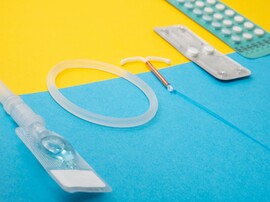
It is always best to plan ahead and prevent an unintended pregnancy, but when we find ourselves at risk of a pregnancy that is unwanted, sometimes we need another option.  Fortunately we are no longer limited to waiting and worrying. There are now at least three safe and effective methods available to prevent an unplanned pregnancy even after sex has taken place. Combined birth control pills, progestin-only pills, and IUDs can all be used for emergency contraception.

What is Emergency Contraception (EC)?

Unlike regular methods of birth control that must be used before sex takes place, emergency contraception prevents pregnancy after sex has occurred. EC does not work if a woman is already pregnant. It does not cause abortion.   EC does not protect against sexually transmitted infections.

Emergency contraception has been used for several decades, yet most women and many providers still do not know that it is available and effective. In 1997 the FDA concluded that ordinary birth-control pills were safe and effective for emergency contraception, paving the way for manufacturers to market them as “morning-after'' pills. It is estimated that if more women knew about and were able to get emergency contraception when needed, we could prevent 1.7 million unintended pregnancies and 800,000 abortions annually.

ECPs (emergency contraception pills) are available in some nations, such as France and Canada, without prescription. At the time of this writing, ECP is available over the counter in a few states in the U.S. and several states have legislation pending to mandate that hospitals provide ECP to victims of sexual assault. In 2004, the FDA rejected its medical board’s recommendation to make ECPs available over-the-counter for all women. [Update: in 2006 the FDA approved nonprescription sales of Plan B, a form of emergency contraception, to women and men over age 18. Plan B continues to be available to women 17 and under by prescription.]

Emergency Contraceptive Pills (ECPs)

ECPs (also known as “post-coital contraception” or the “morning-after pill”) work by changing a woman's hormone levels. They give the body a short, high, burst of synthetic hormones that disrupt hormone patterns needed for pregnancy. This prevents pregnancy by inhibiting ovulation or by disrupting egg and sperm transport, fertilization, or implantation. Most women can safely use emergency contraceptive pills, even if we cannot use birth control pills as our regular method of birth control. ECPs can be used within five days of unprotected sexual intercourse. They are more effective the sooner after unprotected intercourse they are taken.

It is not advisable to use ECPs as your only protection against pregnancy if you are sexually active or planning to be, because they are not as effective as other contraceptive methods. Using ECPs frequently won’t hurt you, but it will get expensive.

There are currently two types of emergency contraceptive pills, pills that contain only progestin and pills that contain both progestin and estrogen.  (Mifepristone or RU-486 can also be used for postcoital contraception. It is more effective—has a lower pregnancy rate—and fewer side effects than currently available pills but is not yet approved in the U.S. for this use.)

Progestin only pills (Plan B, Mini-Pill)

Progestin-only ECPs are slightly more effective than combination pills and cause few, if any side effects. The brand “Plan B” is available through health care providers and, in some states, without a prescription in pharmacies. [Update: Plan B is now available over-the-counter to women and men over 18 in all states.]

Estrogen and progestin (combined ECPs, Preven)

The second type uses combination birth control pills in a higher dose. A few products have been studied and approved for this use, but it is likely that any available pill could be effective. This method often causes nausea and discomfort, but many women feel that the possible protection is worth it. One brand name specially packaged for use as emergency contraception is called Preven. [UPDATE: Preven is no longer available in the United States.]

Health Concerns

Even though the hormones used for emergency contraception are the same as those in some birth control pills, they are used for such a short time that most women can take them safely, and no long-term complications have been reported. If you have a serious health problem that prevents you from taking regular birth control pills, consult a health care provider about safety concerns. If you could be pregnant already, it is a good idea to have a pregnancy test before using emergency contraception. ECPs should not be used by women who are already pregnant—not because the pills are thought to be harmful, but because they are ineffective at terminating established pregnancies.

If after taking both doses of the pills you become pregnant anyway, there is no evidence of potential danger to the fetus.

How to Use the IUD as Emergency Contraception

A copper IUD has proven very effective at preventing pregnancy if inserted within seven days after unprotected intercourse. The IUD probably works by preventing the implantation of a fertilized egg. Once inserted into the uterus, a copper IUD can be left in place and used as your regular method of birth control for up to ten years. Women who should not use the IUD for birth control should not use it for emergency contraception either.

Frequently Asked Questions

What is my risk of pregnancy from unprotected intercourse?

The likelihood of becoming pregnant after a single act of unprotected intercourse is low. Depending on where you are in your menstrual cycle and your body's ability to conceive, the likelihood is between 0 and 20%. Yet, almost any act of unprotected intercourse entails some risk of pregnancy and EC reduces this risk substantially.

With a single act of unprotected intercourse, the risk of either partner transmitting a bacterial STI, such as gonorrhea, chlamydia, or trichomoniasis, is much higher than the risk of the woman becoming pregnant. Emergency contraception does not reduce the risk of STIs.

What if I engage in unprotected sex but ejaculation does not occur? Is sperm present in preejaculatory fluid?

The chance of pregnancy is probably extremely low. Two small studies found no motile sperm in preejaculatory fluid, but that is all the evidence there is. However, HIV can be detected in preejaculatory fluid. If you are worried about the possibility of pregnancy, or if you are not sure whether or not ejaculation did occur, ECPs will do no harm and may do some good.

When Should My Next Period Come after I Take Emergency Contraceptive Pills?

After taking ECPs, some women have our period early, and some women have irregular bleeding that is not really a period. The duration of the irregular bleeding is not predictable. You should have another, normal period within the next month. If not, you should get a pregnancy test just to make sure you're not pregnant.

What if I have sex after taking emergency contraceptive pills?

Emergency contraceptive pills will not protect against pregnancy from unprotected intercourse that occurs after the pills are taken.

Is there a limit to the number of times emergency contraceptive pills can be used?

There are no safety concerns with using ECPs repeatedly. However, ECPs are not as effective as many other methods of contraception. It is also very expensive to use repeatedly. Repeated use of ECPs suggests that you need to find an ongoing method of contraception that you can use correctly and consistently.

For free information about preventing pregnancy after unprotected sex and to obtain names and telephone numbers of health care professionals in your area who can provide emergency contraception, call the Emergency Contraception Hotline: (800) 584-9911 or visit the Emergency Contraception Website.

Excerpted from Our Bodies, Ourselves: A New Edition for a New Era, Copyright © 2005, Boston Women's Health Book Collective.

< Return to Birth Control Overview


Home I Resource Center I Support Us! I Site Credits I Feedback I Contact I Privacy I Site Map