Home Page
 
   SEARCH
 

The Global Translation/Adaptation Program: Frequently Asked Questions

What is the Global Translation/Adaptation Program?

The Global Translation/Adaptation Program or the Global T/A Program aims to increase women and girls access to evidence-based culturally appropriate information on their health and sexuality. To this end, the Program’s Boston-based staff provides technical assistance to women’s groups around the world as they translate and adapt Our Bodies, Ourselves into various formats for wide-scale distribution, outreach, and advocacy in their community, country, or region. 

How many editions of Our Bodies, Ourselves have been published worldwide

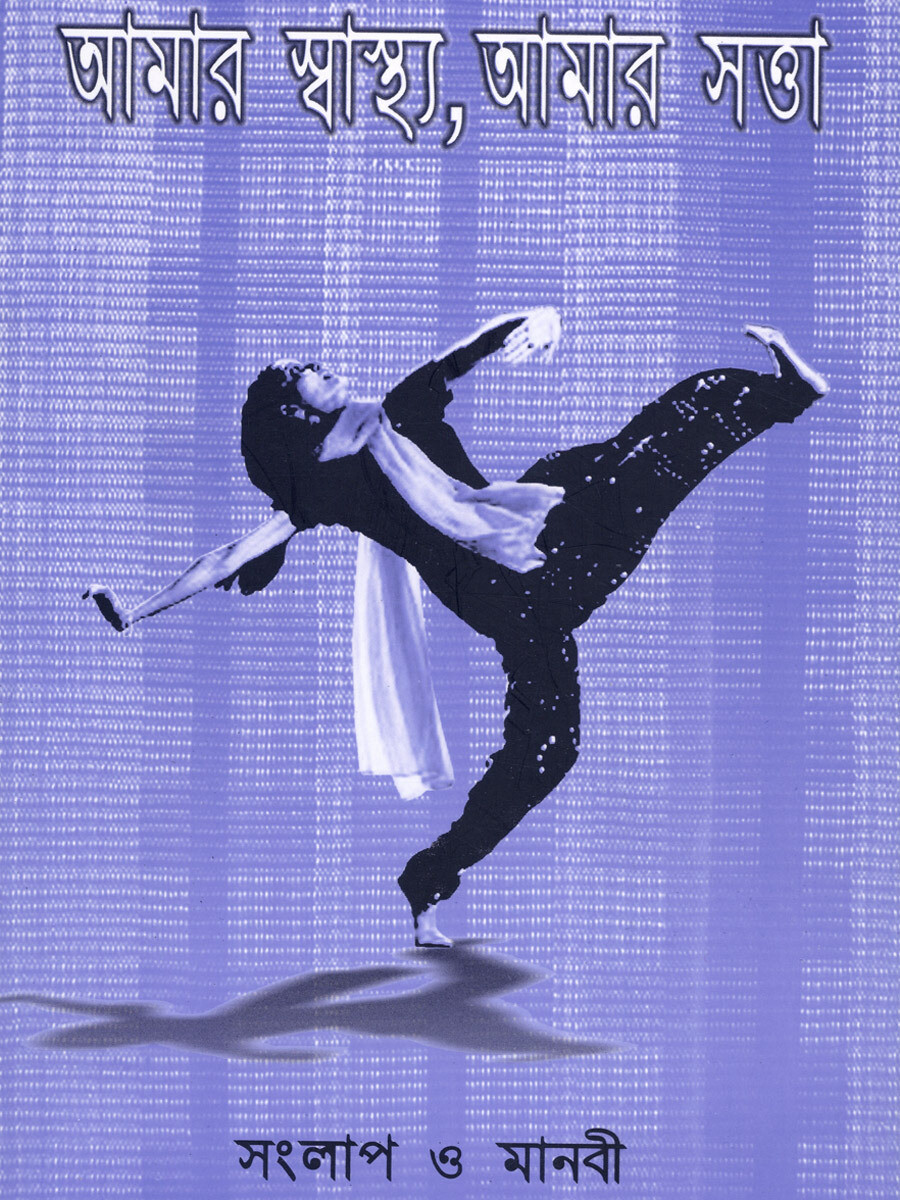
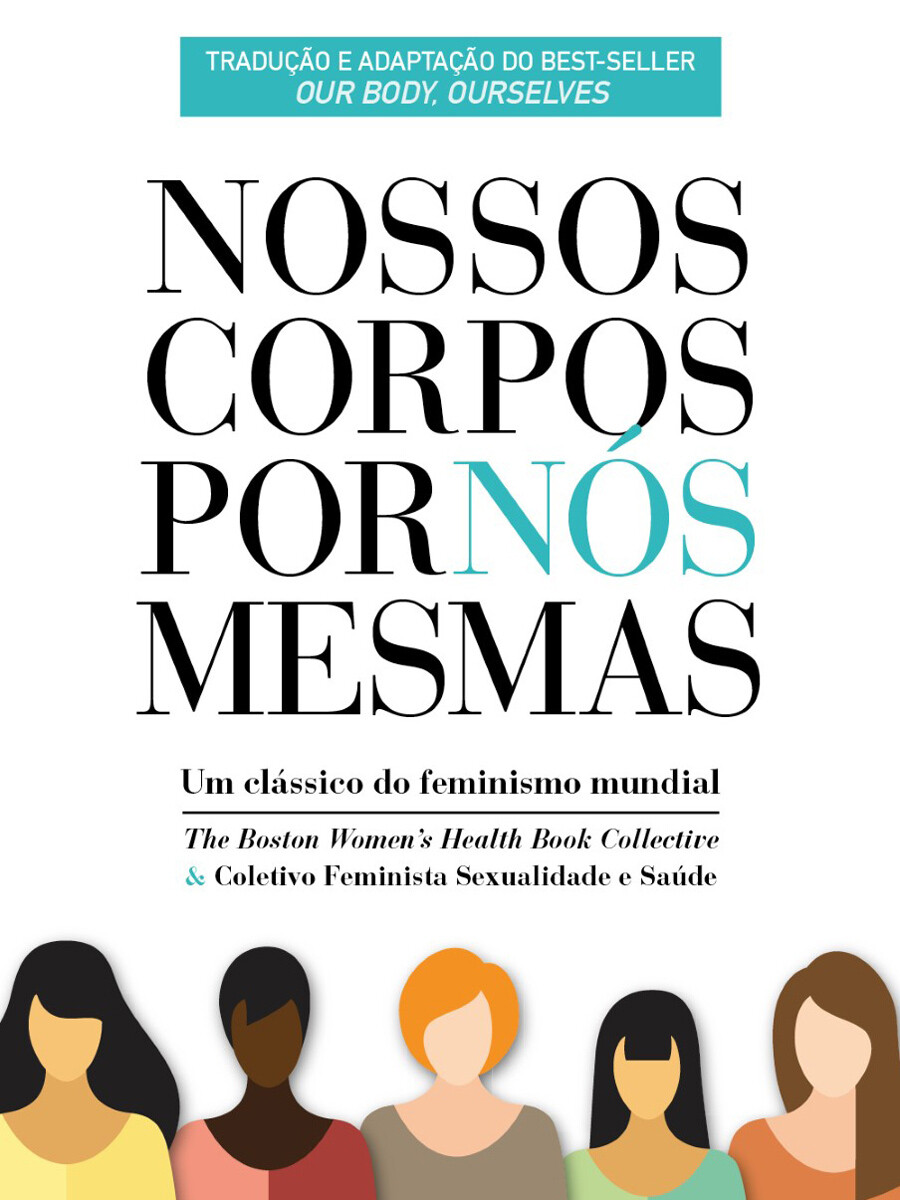
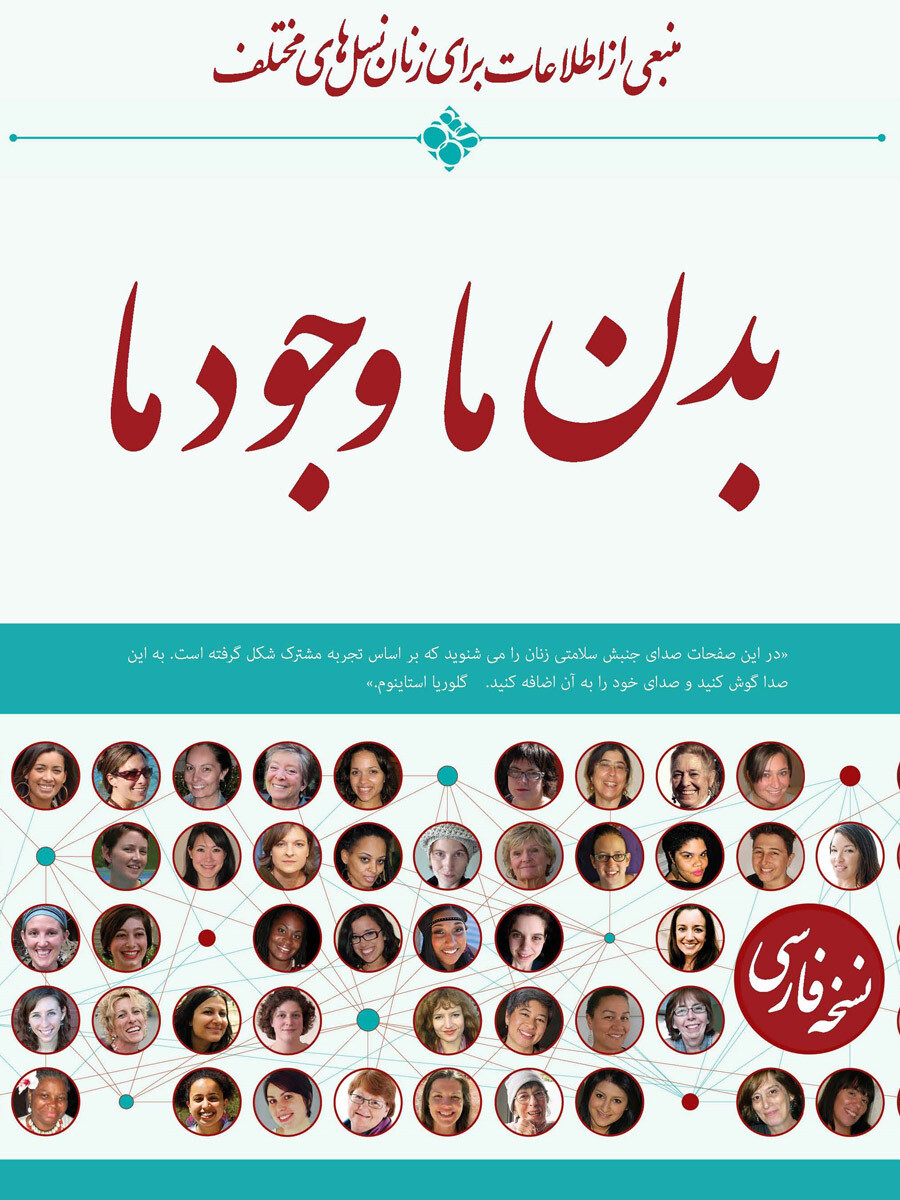
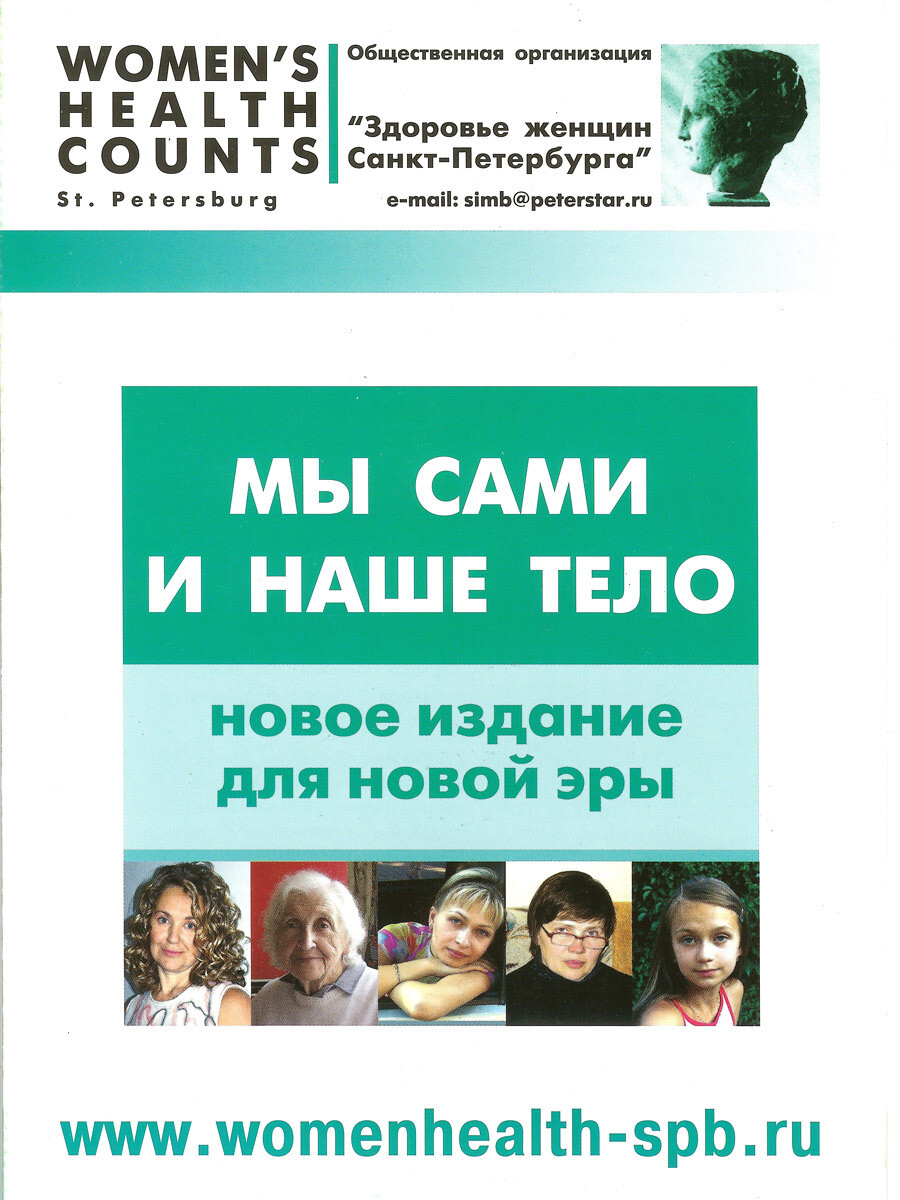
As of July 2009, there are 31 editions of Our Bodies, Ourselves published in 25 languages around the world. A list of completed and ongoing projects is available at  www.ourbodiesourselves.org/programs/network/default.asp/.

Why are there more editions than languages?

Multiple editions have been published in the same language, and are counted separately or jointly depending on whether you are tallying total number of editions or total number of languages. For example, the Russian editions – 1995 and 2007 – tally as two independent publications when counting total editions, but tally as one when counting total languages. This rationale also applies to editions in some other languages, such as French and Spanish, and accounts for the difference in number.    

How can I obtain a copy(s) of a foreign language edition of Our Bodies, Ourselves?

Our Boston office does not directly sell or distribute foreign language editions. However, contact information for all our coordinating groups and their distributors are listed at our website, and you are welcome to approach them directly for a copy. If you have difficulty obtaining a book, please contact our program staff so we can facilitate communications with coordinators on your behalf. Occasionally and depending on availability, we might be able to send you a copy from our limited office collection.
 
Can I read excerpts from any of the editions?  

Yes. As part of our initiative to increase global access to culturally appropriate health content, excerpts on a range of women’s health issues developed from different foreign language editions are now available on our website. To view excerpts in Albanian, Polish and French [for French-speaking Africa] and the 2007 Russian electronic edition, please visit www.ourbodiesourselves.org/programs/network/excerpts.asp, and stay tuned for excerpts in other languages, including Nepali and Turkish.           

How are “cultural adaptations” of Our Bodies, Ourselves and “inspired editions” different?

Foreign language editions of Our Bodies, Ourselves are broadly categorized as cultural adaptations or inspired editions, and here is a snapshot of key differences.

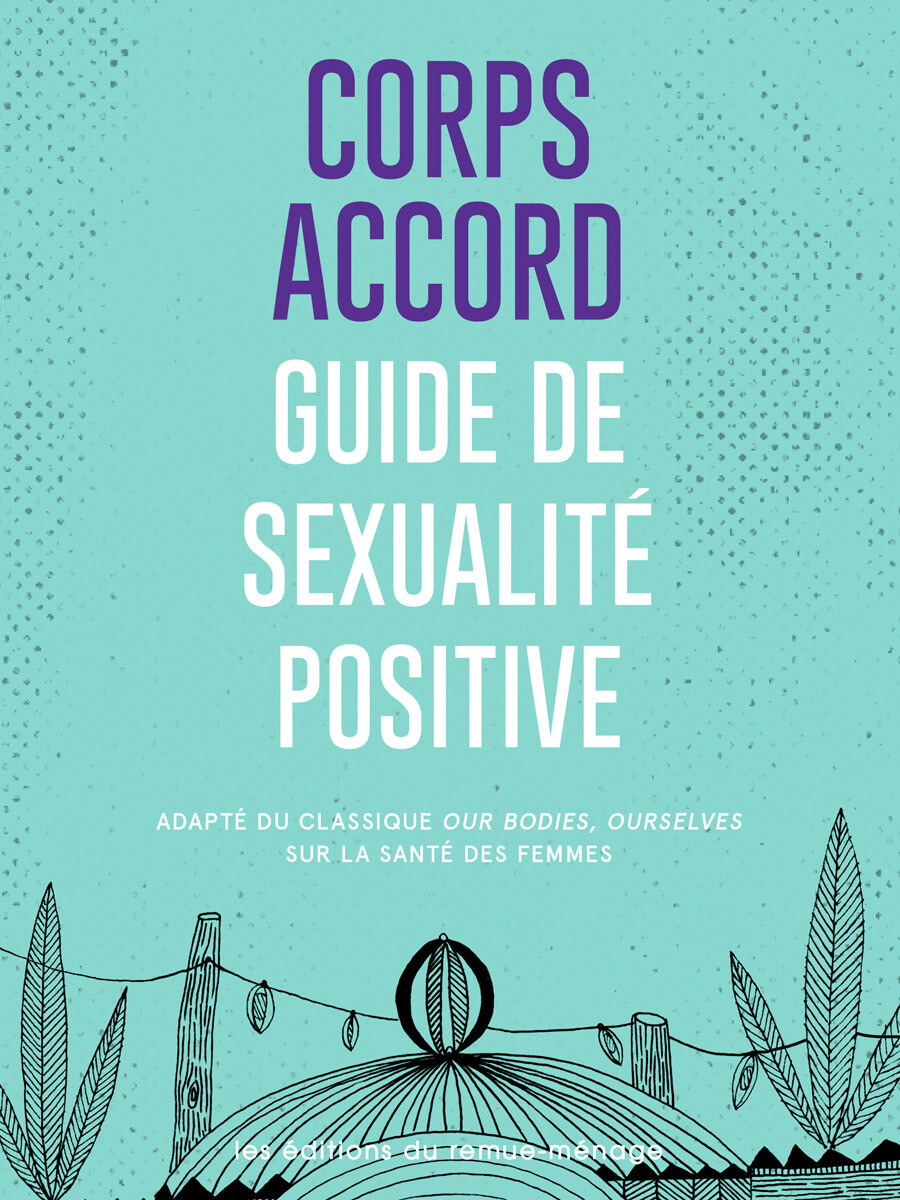
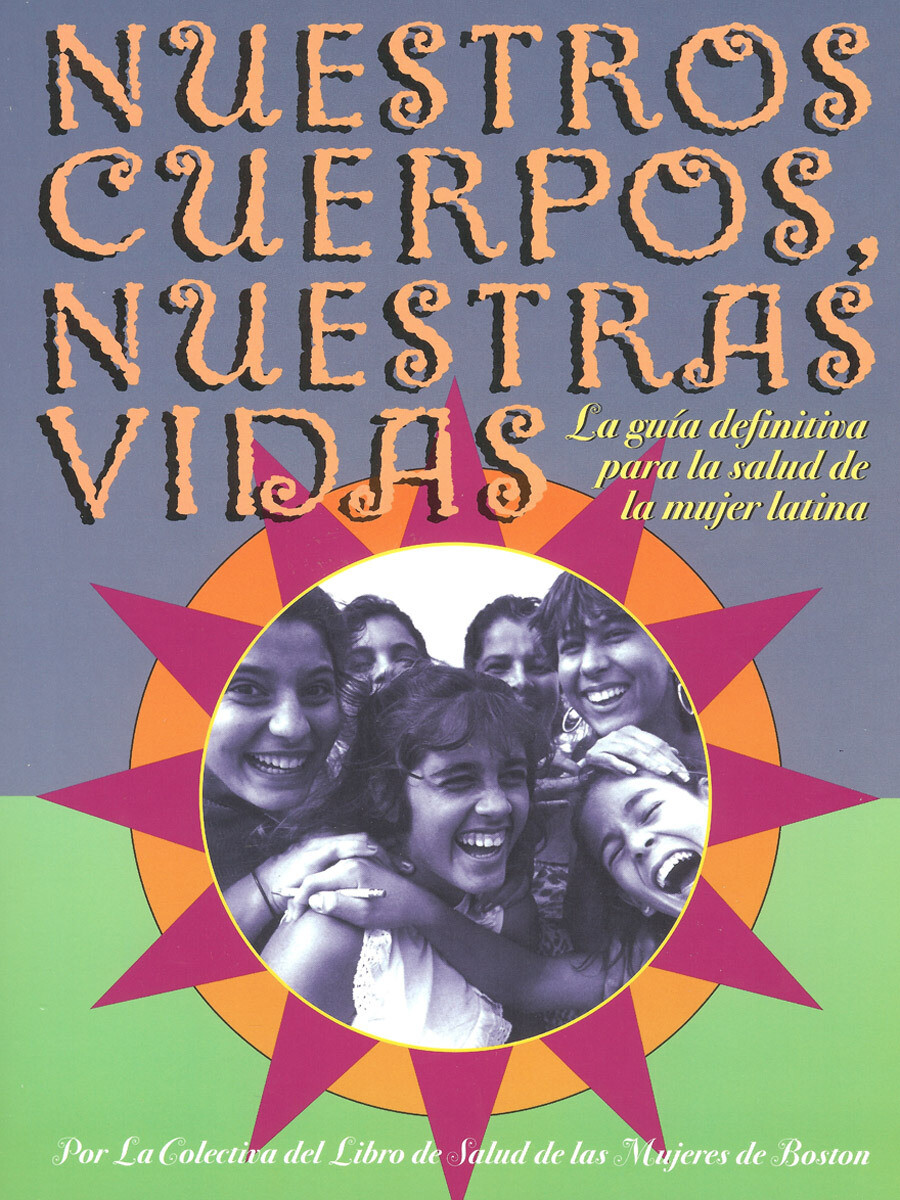
Cultural adaptations: These publications reflect the socio-cultural, political and religious realities of women in a particular country or region. They cover content from all chapters in Our Bodies, Ourselves though topics might be modified or deleted, and format and graphics altered. They also include personal narratives, photographs of local women and health resources, and may use the original or a similar title. Please visit www.ourbodiesourselves.org/programs/network/foreign/default.asp for examples.    

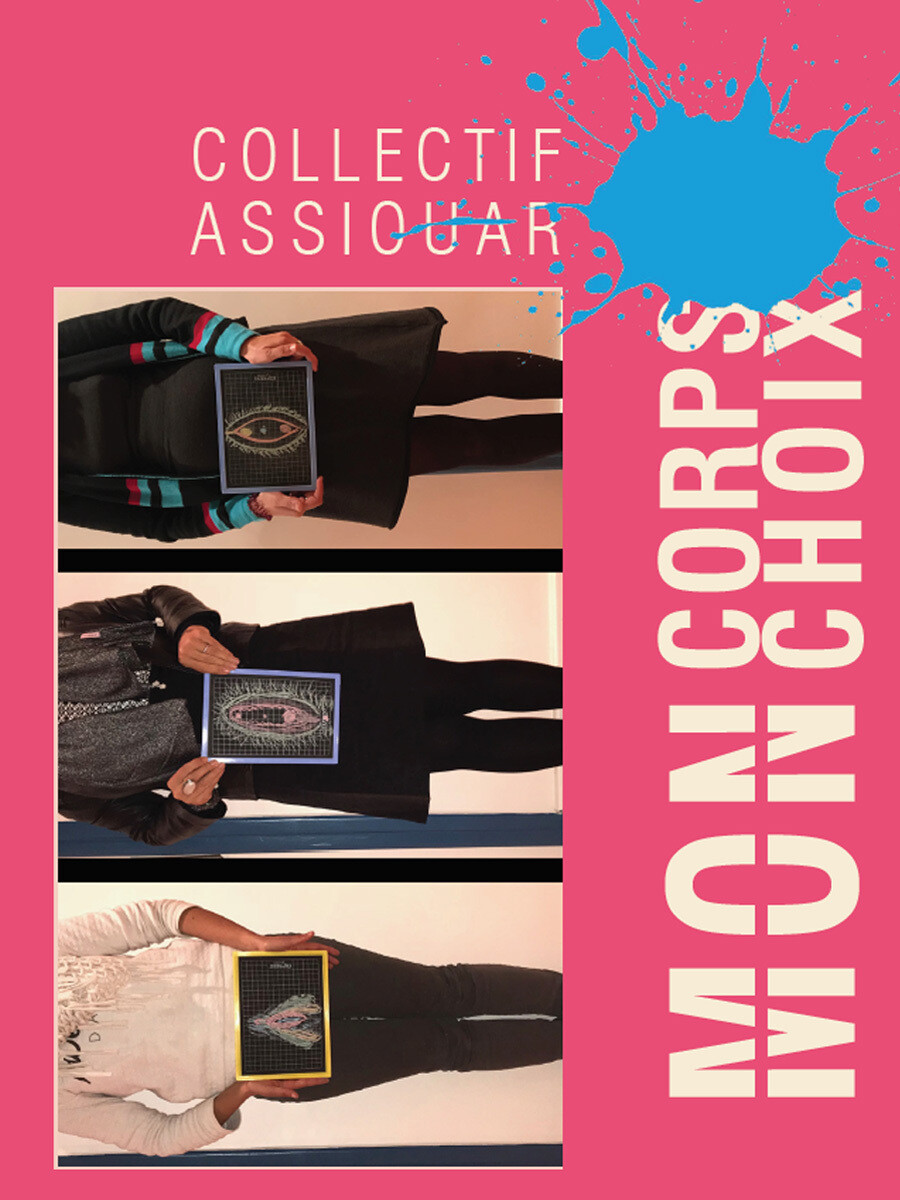
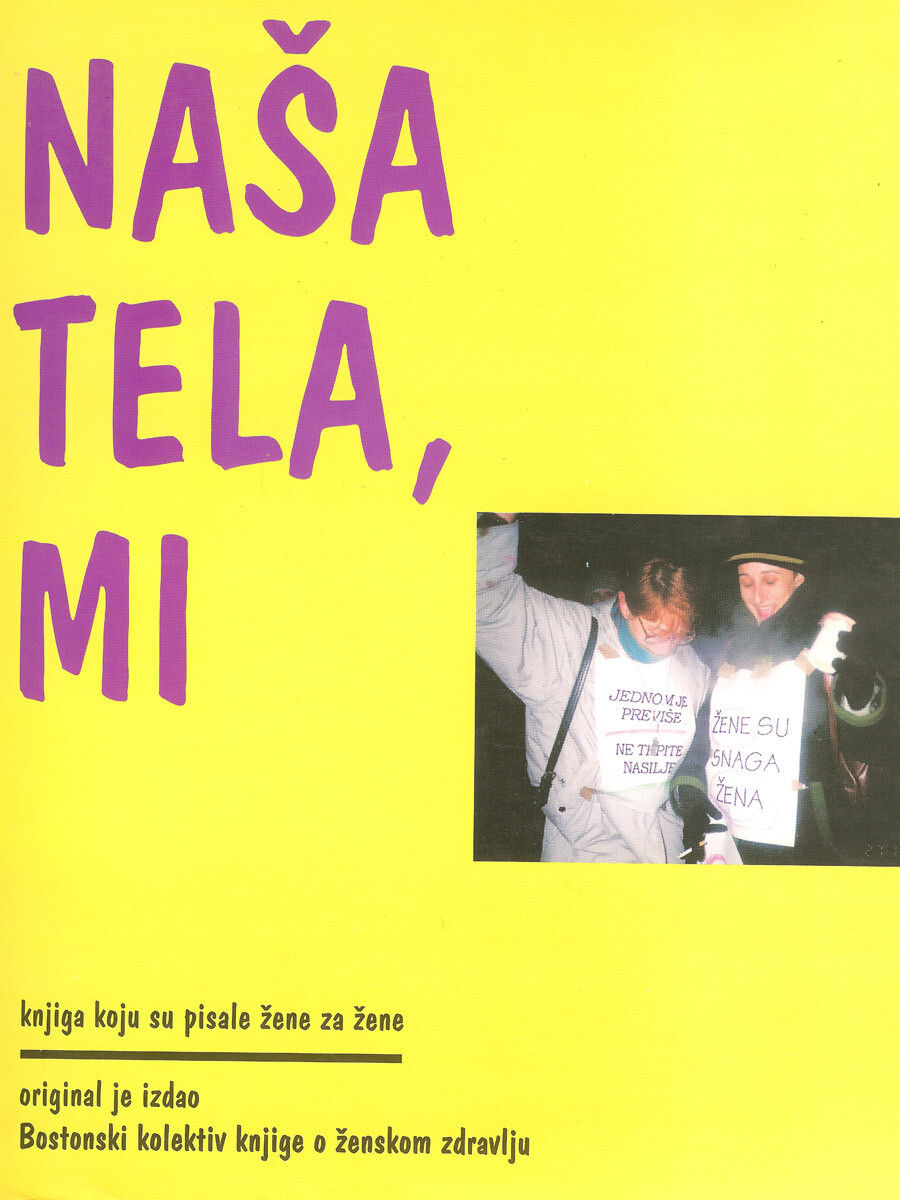
Inspired editions: Sometimes, the intent is to develop a cultural adaptation, but due to considerable differences in context and need, a completely original publication emerges. Or, the aim might be to develop an original resource from the start and use Our Bodies, Ourselves as one of many references. The products, in both instances, are inspired editions that use Our Bodies, Ourselves as a source and point of departure. They differ significantly in content and do not use the original title, though personal narratives, photographs of local women and a list of health resources might be included. For examples, please visit www.ourbodiesourselves.org/programs/network/inspired/default.asp   

Has Our Bodies, Ourselves been translated/adapted into formats other than print books?

Yes. Our partners recognize the value of accessible non-book formats that can reach audiences of varying literacy and financial levels. For example, content from Our Bodies, Ourselves has been adapted into posters [Nigeria], booklets [Nepal], peer educator campaigns [Turkey and Nigeria] and e-books [Russia and Korea], enabling the coordinating group to significantly broaden the scope and impact of its outreach. A group in China is currently planning digital downloads for cell phones and the Internet.

How can I support the Global T/A program or a particular translation/adaptation project?

We deeply appreciate the generosity of all our funders, as well as their encouragement and enthusiasm for our work. Their donations have given women and girls around the globe access to much-needed health information and support. However, raising adequate funds is an ongoing challenge to successful project implementation, and we welcome financial support for the Program’s Boston-based technical assistance and individual country projects. If you would like to make a financial contribution, please contact us for information on how to do so and what your contribution will help accomplish. Your support is vital to our efforts and that of our partners, and on behalf of the Global OBOS Network of coordinating groups, we thank you for it.        

Can an individual undertake a translation/adaptation project?

Individuals often approach us requesting permission to undertake a project and we truly value their interest. However, it is our policy that women’s groups, rather than individuals, coordinate and implement adaptation projects. Here are some reasons why:   

  • To transfer publication rights to an officially recognized non-profit entity

  • To ensure reliable infrastructure for project implementation, management and coordination

  • To guarantee editorial control and transparency, and a central location to resolve content decisions

  • To build organizational capacity and leadership – an important program objective

  • To capitalize on existing local, regional and global networks, and build others for maximum impact

  • To plan and effectively implement post-publication distribution and outreach

How can I, as an individual, get involved in a translation/adaptation project?  

If you are not affiliated with an officially recognized women’s group, do not be disheartened as there are other ways for you to contribute to a particular project(s). The most straightforward way is by contacting us or in-country coordinators to explore possible avenues for your involvement.  Though the nature of this will be determined by specific project needs and your skills, it could include translating content, writing/adapting/reading chapters, contributing narratives and graphics, editing or peer reviewing content, networking, or assisting with distribution and publicity.  

You can also partner with a local women’s group that is willing to assume legal responsibilities of such a project on your behalf or establish an organization of your own. The latter option is not always practical and requires, among other things, legal organizational status in your country and considerable resources. We can connect you with coordinators that have used this model for more insight into the process.                     

Are there any “criteria” for groups that want to undertake a translation/adaptation project?

We seek to work with organizations that support, promote and work within a framework of women’s rights and empowerment, and ideally, employ women in key staff and management positions.

My organization would like to translate/adapt Our Bodies, Ourselves - What is the next step?

All potential coordinating groups complete a three-step application process to help us understand their mission, goals, structure, programs and project plans. Briefly, this process comprises an application form [step 1], after which they submit preliminary project plans and letters of reference [step 2], and ends with a project proposal and budget [step 3]. We also request official proof of non-profit status in their country. (If your organization is “for-profit” we will still consider your request to undertake a project, though the process might differ, and invite you to contact us for more information.) Once the application process has been successfully completed, the group signs a contract with us, legally transferring to them the right to publish Our Bodies, Ourselves in a particular language(s) and coordinate an adaptation project. 

If your organization is considering an adaptation project, please contact us first, before you begin planning or developing content. In your correspondence, provide a brief organizational description (vision, objectives, target audience, reach, etc) to help us understand how your organization is equipped to coordinate and implement a project. Once we review your email, we will contact you with appropriate follow up steps, including whether or not publication rights in your selected language(s) are available.

What are some of my primary responsibilities as a coordinator or coordinating group? 

A coordinating group has responsibilities right through the project. For example: they complete the application process, sign contracts, fundraise and strategize on publishing, promotion and outreach. During the translation/adaptation process, they select, coordinate and work with a large team, collect and incorporate content, identify narratives and graphics, peer review content, make editorial decisions and identify a publisher. During post-publication, they publicize and distribute the adapted materials, complete our annual feedback process, and if possible, undertake outreach and an impact assessment of the project. Rest assured; all coordinating groups work closely with Program staff, receiving extensive technical assistance through the project life cycle, and have access to important resources that provide in-depth information and guidance on different facets of project coordination, implementation and post publication outreach.     

How will my group decide between a cultural adaptation and an inspired edition, and how will we know which format (book or otherwise) will work best?

Women’s groups coordinating adaptation projects have a deep understanding of local contexts and realities. Your group is no different and we are confident that you will select the most effective ways to address the health needs of women in your community. Having said that, we will work closely with you to assess needs and identify a suitable format and model for your adapted materials. You will also have access to various planning tools and contact with other coordinators (from ongoing and completed projects) to learn from their experiences with translating/adapting Our Bodies, Ourselves.     

Is it possible to translate/adapt select excerpts or topics? 

Absolutely. In fact, translating/adapting excerpts from Our Bodies, Ourselves, rather than the whole book, is especially viable for groups constrained by time, funds and resources, and requires a simple agreement rather than the regular application and contract. If you choose to work on excerpts, please first contact us for permission. In your correspondence, provide details about your organization, pages to be excerpted, purpose and expected reach and impact; we will contact you with appropriate follow up steps upon reviewing your request, along with any necessary information on our conditions and the process. 

What are some challenges faced by groups coordinating translation/adaptation projects?

Adaptation projects are ambitious undertakings and coordinating groups face a range of challenges, some of which are common across projects and others that are specific to a particular country or region. For example, while some groups tackle censorship and pro-natalist government policies, almost all deal with the difficult task of raising funds for their work. Program staff works closely with coordinating groups to strategize and implement effective solutions, and provides access to a range of tools and resources to help coordinators navigate the different stages of an adaptation project.    

What kind of support can a coordinating group expect from the Global T/A Program?

Program staff leverages nearly 40 years of experience in women’s health publishing and advocacy to provide coordinating groups with ongoing technical assistance, support, and follow up. This includes:

  • Assistance with fundraising and grants management, start-up and planning, translation and adaptation, peer review and quality control, production and publishing, outreach and evaluation.

  • Access to various tools and resources, such as free copies of Our Bodies, Ourselves for translation teams,   chapters in electronic format, and expanded content on our website.
     
  • Our most important resource is the Guidelines for Coordinating Groups, which synthesizes expertise from across the Global OBOS Network and provides methodical guidance in project planning, production, publishing, and outreach. This resource will answer many of your questions and perhaps, raise new ones. You will receive a copy prior to application to help you understand the scope of a project and various options, formulate ideas and, ultimately, make decisions best suited to the needs of your community. 

  • Last, but not the least, access to a global network of colleagues in all fields of women’s health who provide varieties of in-kind support, and membership to the Global OBOS Network of coordinating groups, which facilitates collaboration and sharing between completed and ongoing projects worldwide.

Whom may I contact for additional information?

The Global T/A Program has two committed staff members and you are welcome to contact either for additional information and ways you can support the Program.
Sally Whelan, Program Manager, sally@bwhbc.org
Ayesha Chatterjee, Program Associate, ayesha@bwhbc.org 

You may also contact our office coordinator, Anne Sweeney [anne@bwhbc.org] for information about the Global T/A Program and organization. Though we try and respond to emails promptly, in the event of a delay, we would appreciate your understanding and patience. 

Last Updated: July 2009


Home I Resource Center I Support Us! I Site Credits I Feedback I Contact I Privacy I Site Map