Home Page
 
   SEARCH
 

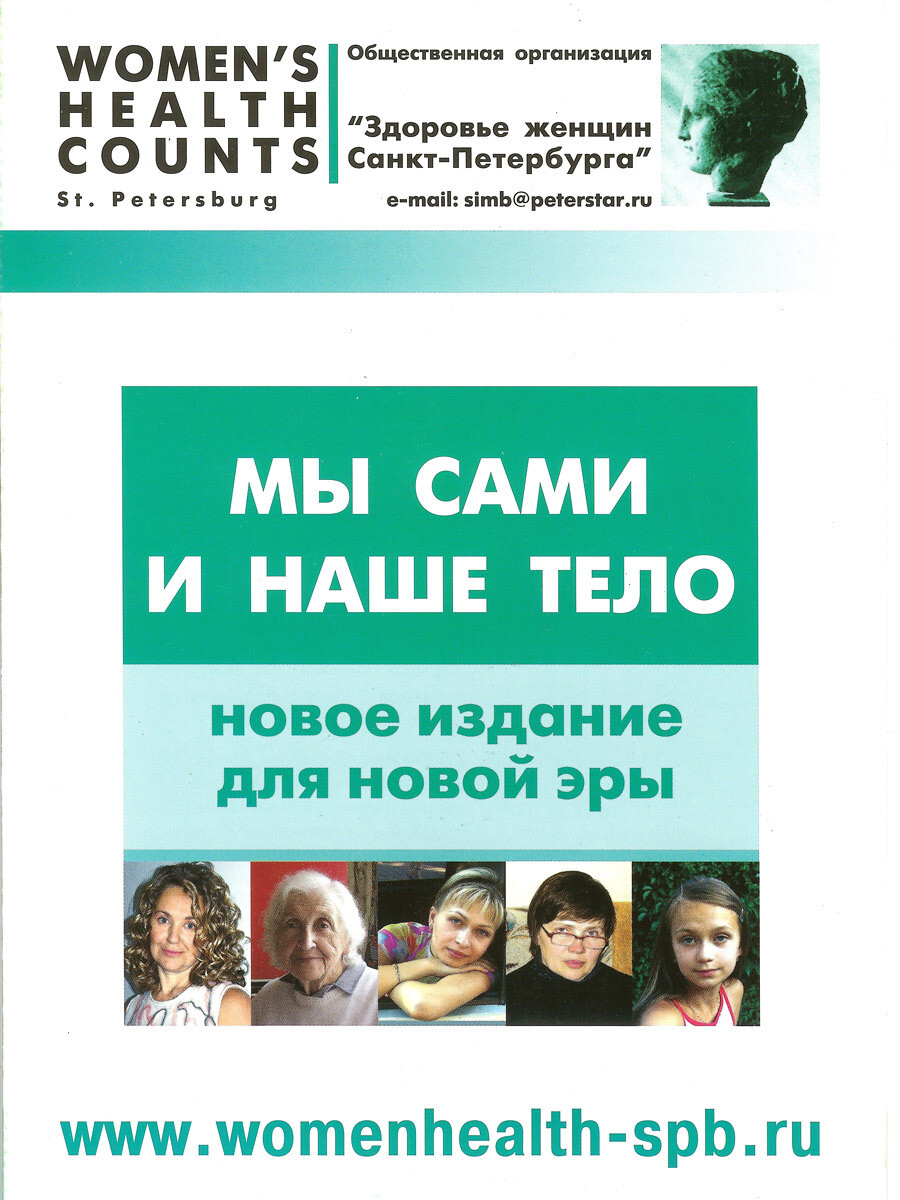
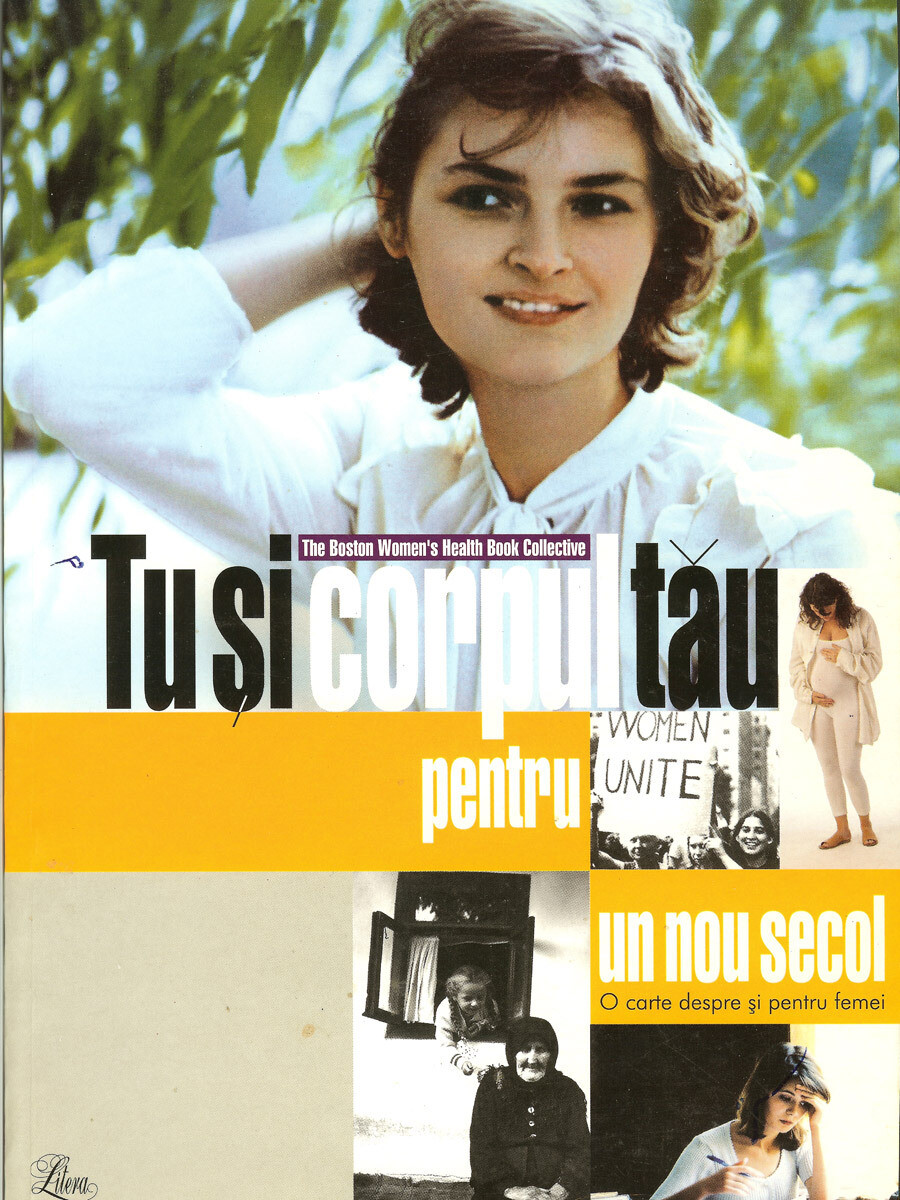
OBOS Transformed Worldwide: Bulgaria

The following is the English translation of the preface from the Bulgarian edition of Our Bodies, Ourselves.

With great satisfaction we present Our Bodies, Ourselves to Bulgarian readers. The history of this book is intriguing. It began more than 30 years ago when a group of women, representatives of the emerging women’s movement in the USA, established the Boston Women’s Health Book Collective. Its goals were to provide education and advocacy and it was established due to the awareness of the extreme difficulties in finding accessible and understandable information on women’s health and bodies. The first meetings and discussions started at the Armenian Church and the first activities were on a volunteer basis; nowadays the organization is known all over the world and is currently located at Boston University. Thus began a movement which has been provoking great interest in the last 30 years.

In 1969 Boston Women’s Health Book Collective organized a one-day conference at Emanuel College on the topic of “Women and Their Bodies”. This event and the appearance of the women’s movement at this time had huge political significance. The conference was focused on women’s reproductive health including abortions, which at that time are banned in the USA. The topic of women’s bodies generally was taboo in that time context; strictly specialized medical texts and doctors’ consultancies being the only sources of advice on these issues. The idea of creating a free course on the topic of “Women and Their Bodies”, which would gradually fill this gap, emerged during the conference. The materials for the course included not only medical, anatomic and medication information but also the personal experience of the women participating. The presence of personal experiences and the vivid knowledge of the women themselves was a central moment in these materials and in the whole ideology of the Collective that prepared and wrote the book.

The materials prepared for the course turned out to be extremely valuable and afterwards took on life of their own. In 1970 they were published in the form of a book, which at that point consisted of 138 pages and was entitled “Women and Their Bodies”. It was sold for 30 cents in order to be easily accessible to all who needed it. This principle of affordability continues to be valid nowadays and the authors insist on its being applied to all translated editions. 250,000 books were sold out for a very short period of time without any formal advertising. As the initial total print turned out to be inadequate for the demand, the prosperous publishing house Simon and Schuster offered to take up the further publishing of the book and the second edition appeared in 1973. The Boston Women’s Health Book Collective again managed to negotiate a relatively low selling price and also offered the book to a large number of non-governmental organizations at an additional discount.

Through the years the book has been transformed and the first impression is that its size has increased considerably - the last edition, which came out in 1998 entitled “Our Bodies, Ourselves For The New Century”, consists of 780 pages. This enlargement is a result of the constant enrichment of the book with supplementary and contemporary medical information. But what is even more important is the addition of texts, which present the personal experience and correspond to the needs of a larger number of women, including women from different races and ethnicities. With its huge size the book is not expected to be read in one sitting, rather it has turned into an encyclopedic source for obtaining information on a specific issue. A woman can turn to it when she is troubled by a problem concerning her body. However, the book is not an anatomy and physiology textbook. Everyone who opens its pages will become aware that women’s bodies are not presented as an object of systematic and impartial medical study - they speak in a myriad voices of women who have been through first menstruations, conceptions, pregnancies, abortions, childbirths, adoptions, infertility, aging - all the events marking every woman’s life.

The presence of personal stories is neither accidental nor simply an allurement for readers’ interest - authors’ ideology is to convince readers that medical knowledge and expertise can be understood only through the personal, experienced, felt and spoken of event and change. Thus the double-speaking of the text - once in the language of medicine and once again in the language of women’s experiences - makes the book close and intimate to its readers.

After tracing its history and the importance of the reader-book dialogue, let us say a few words about the authors of Our Bodies, Ourselves. Because of the fact that the book is open to its readers, the authors’ collective expands with every new edition exceeding the impressive number of 100. The book as a whole is written by women professionals in different fields while only a very small part of them are doctors. The larger part are health workers, women’s health movement activists, patients’ rights advocates, drug consumers, consultants, women with practical experience in medical treatment even without formal medical education. Due to the Boston Women’s Health Book Collective’s location in an area rich with health institutions, part of the authors and editors are practicing health workers from Harvard University Medical Faculty, Massachusetts University, and one of the chief editors is a sociologist at Brandies University. In the book the authors speak as “we” - which can be understood as all women round the world, “we” - the authors of a chapter, “we” - the women of a specific group - women with disabilities, women victims of violence, women from minorities, etc. Thus the identification of “we” opens the book to its future authors who are ready to share their life experience and knowledge, not less valuable than the university medical science. Following the “by women for women” principle the book is not only a medical encyclopedia but also a significant companion and a partner for privacy in minutes of joy, sorrow and despair.

In every edition the scope of presented topics and issues broadens. While the first editions are focused on women’s reproductive health (pregnancy, childbirth, postpartum, abortions, contraception, etc.), the next include the subjects of menopause, food, psychotherapy, alternative medicine, violence against women, alcohol, tobacco and drug use and misuse - all of them subjects which are linked directly to the holistic vision of woman and her health. In the last edition there is even a separate chapter on the use of the Internet for obtaining health information.

From its very beginning Our Bodies, Ourselves is not only a medical information source but also a political program of the women’s health movement. This ideology is the red thread that runs through the whole book and is strongly synthesized in the last Chapters 25 and 26. An element of this ideology is the conviction that “knowledge is power” and thus by having knowledge women become active and critical users of health information, consultations and services in medical institutions. Another element is the belief in the necessity of political activism, lobbying and advocacy aimed at developing health legislature that adequately takes into account women’s rights. An example in this respect is the role of the women’s health movement in influencing the legalization of abortions in the USA, in the removal of dangerous contraceptive pills and other medications from the market, in providing state subsidies for medical research on breast cancer, etc. On the other side, authors warn us about the forced medicalization of women’s health under the pressure of the medical and pharmaceutical industry in the USA. One of its consequences is the implementation of millions often unnecessary and harmful procedures. All these are openly presented in the book in a dialogical tone that provokes discussion.

What is the situation like today? Beginning as a revolutionary, radical publication of a volunteer organization, often forbidden because of the open opposition to the taboo on discussing women’s bodies, Our Bodies, Ourselves today is an institution with a significant international impact. The book has been through 5 editions in the USA, translated in 19 languages and has sold 4 million copies. It is of special interest to look at its international life.

Next Page-->


Home I Resource Center I Support Us! I Site Credits I Feedback I Contact I Privacy I Site Map