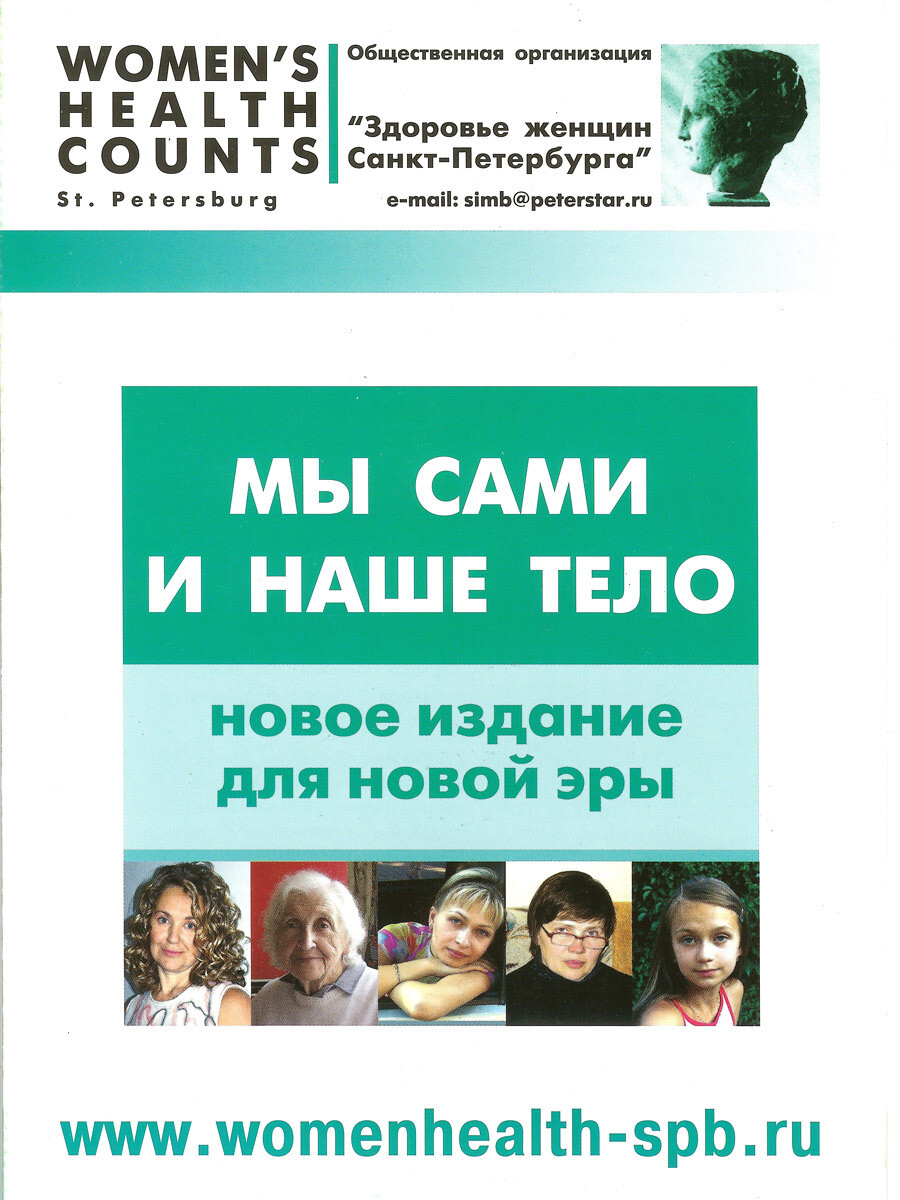
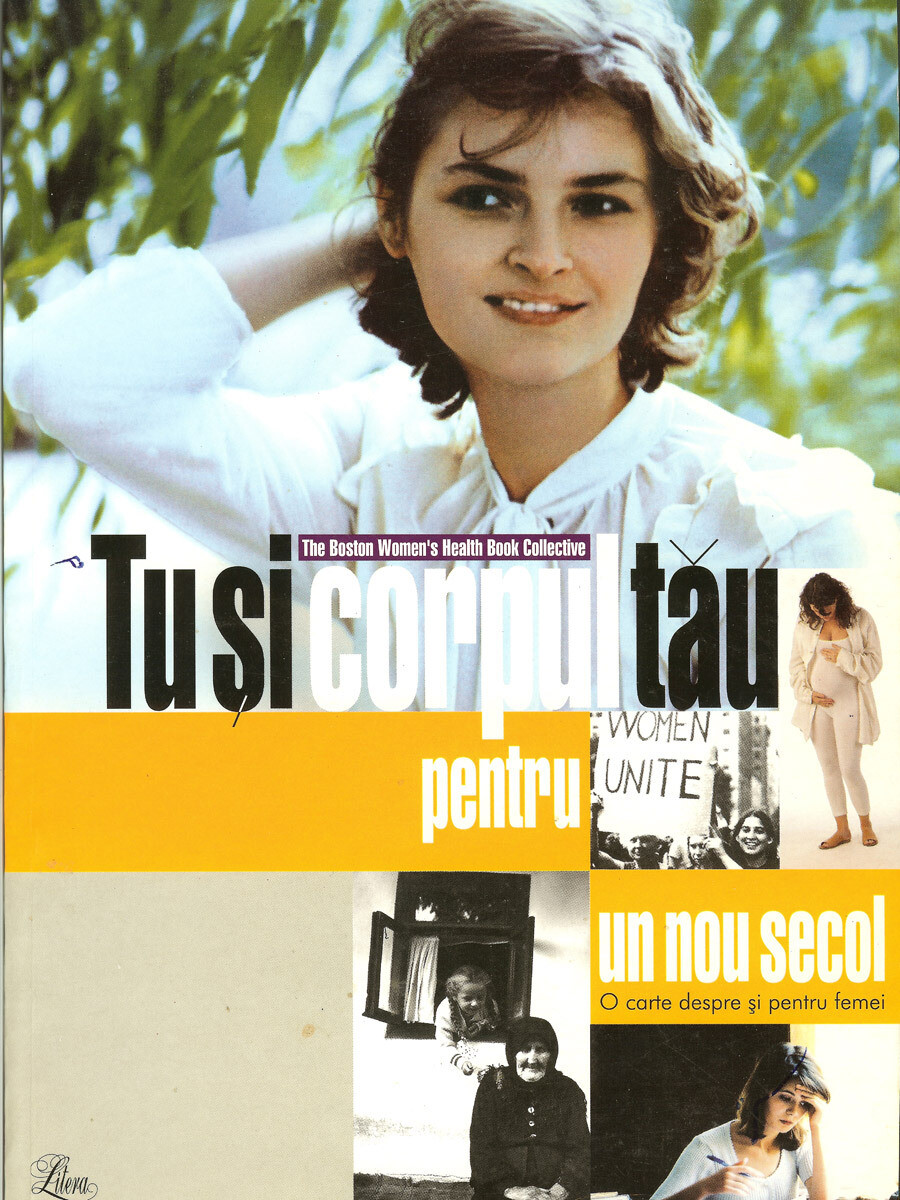
Global Editions at Here and Abroad
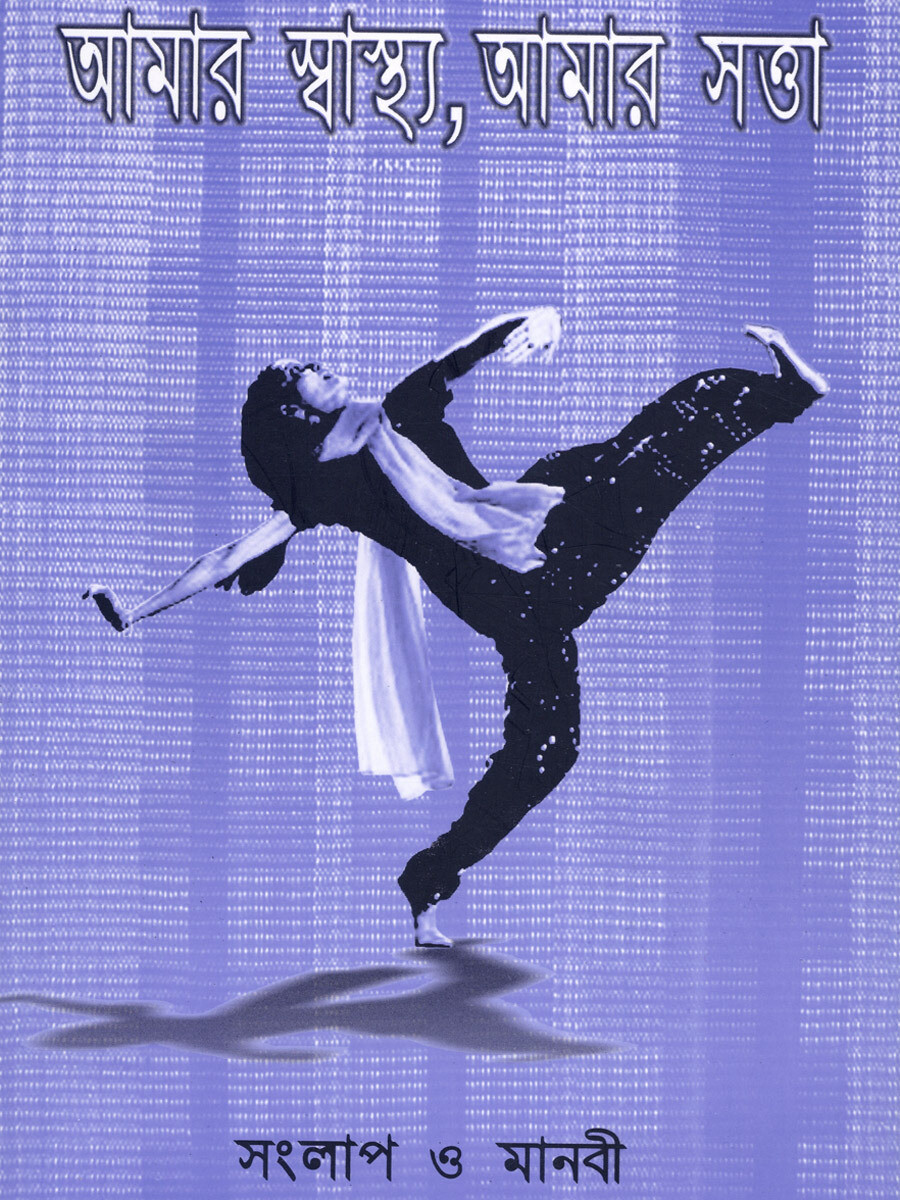
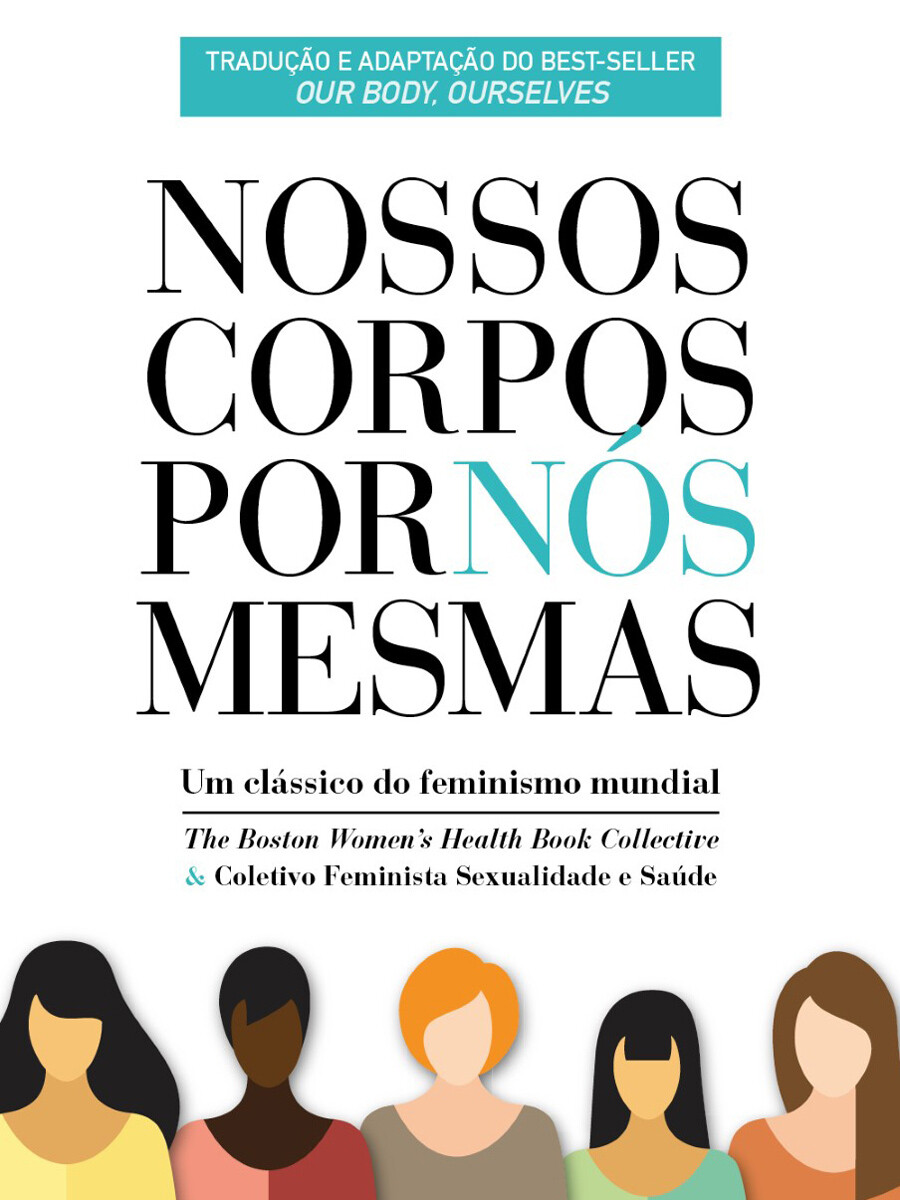
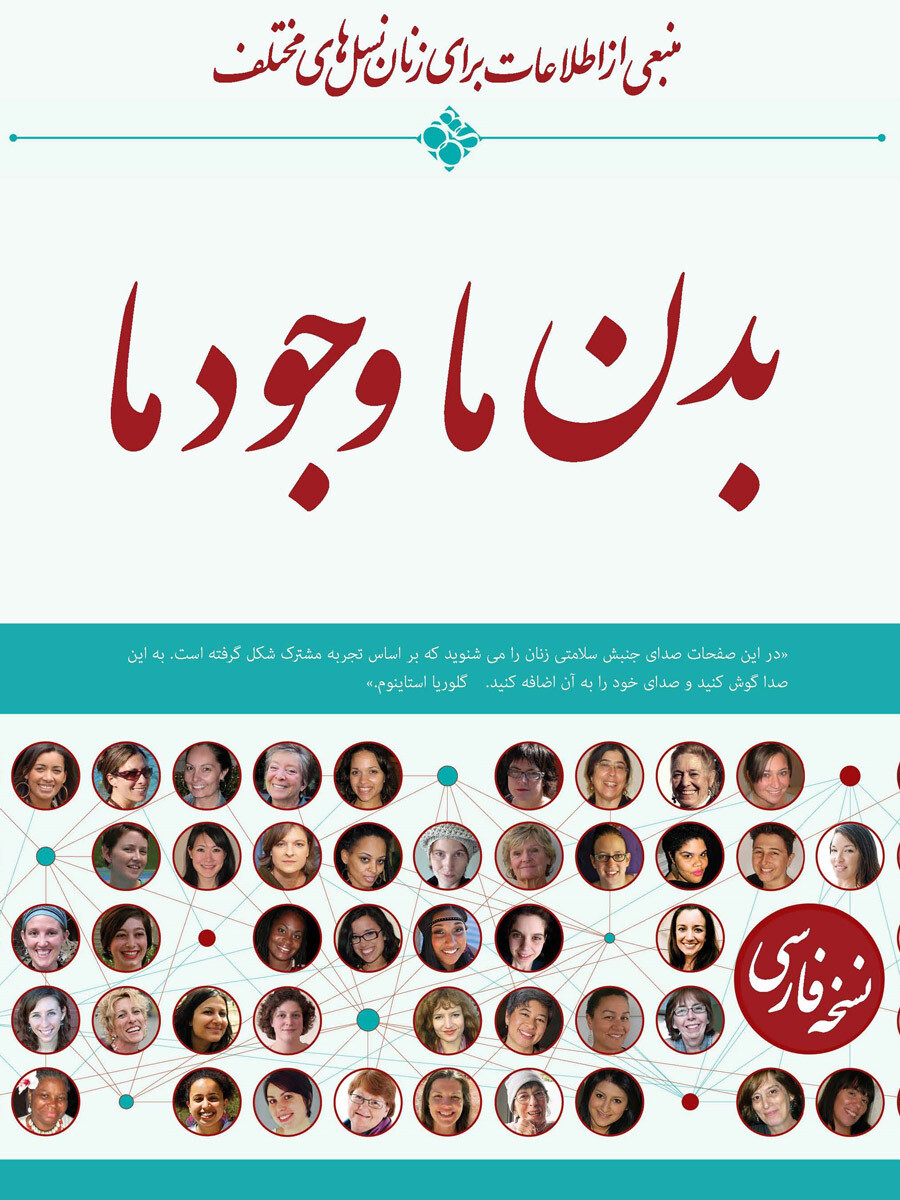
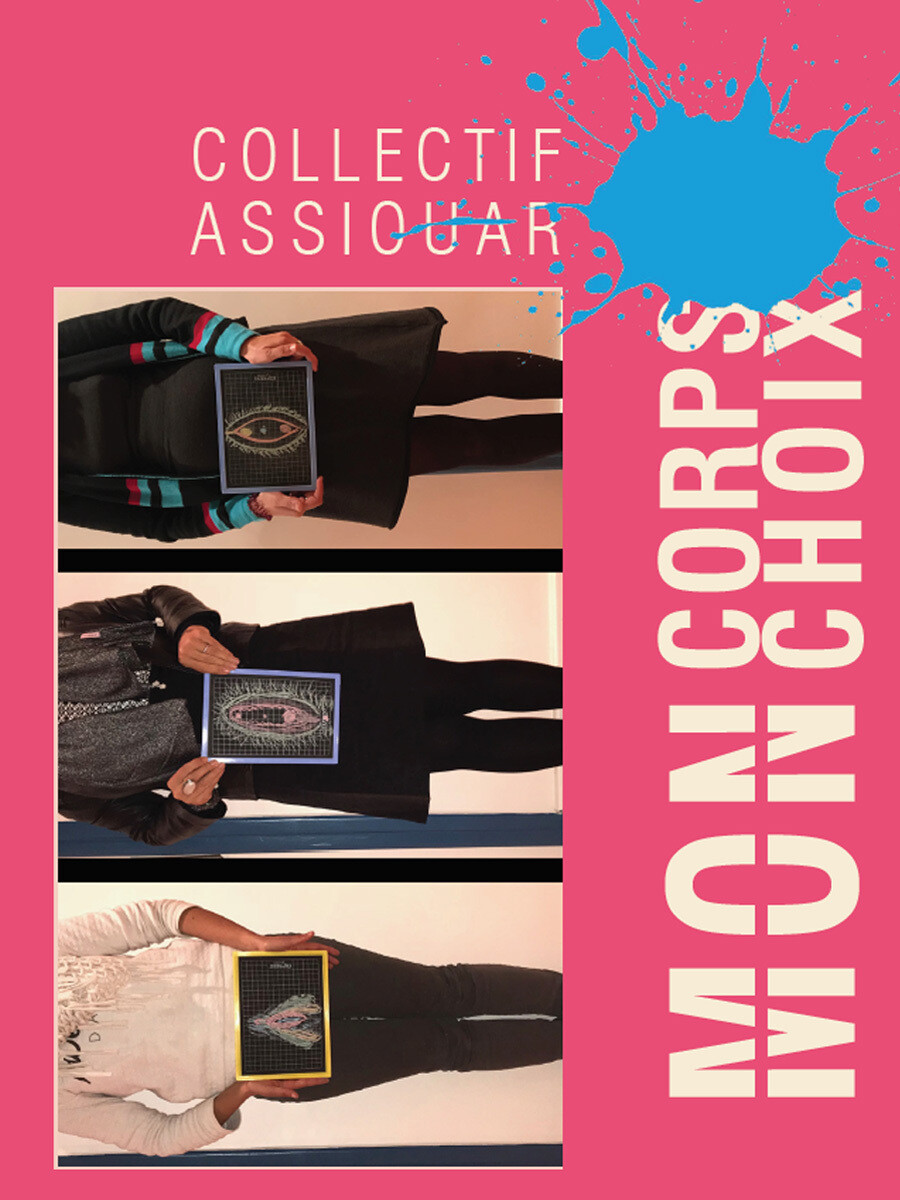
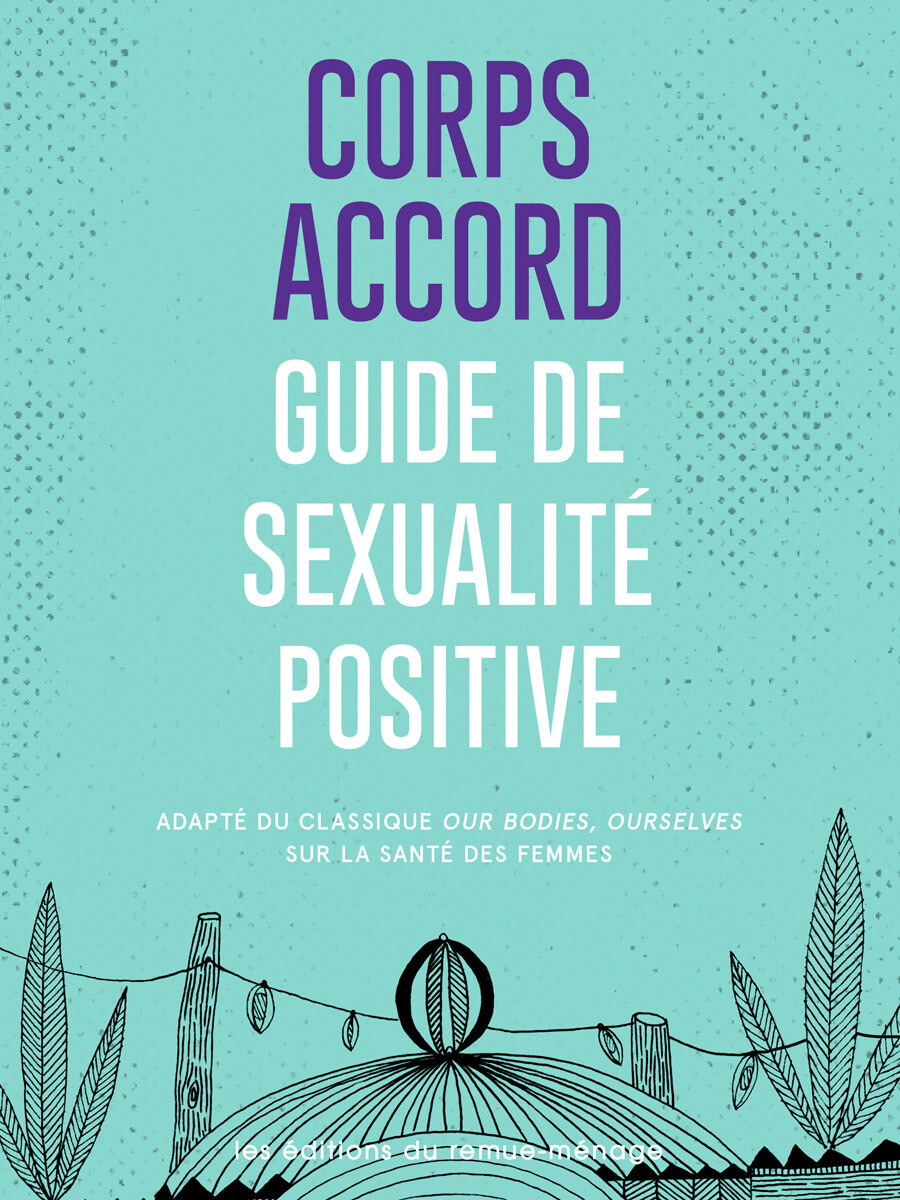
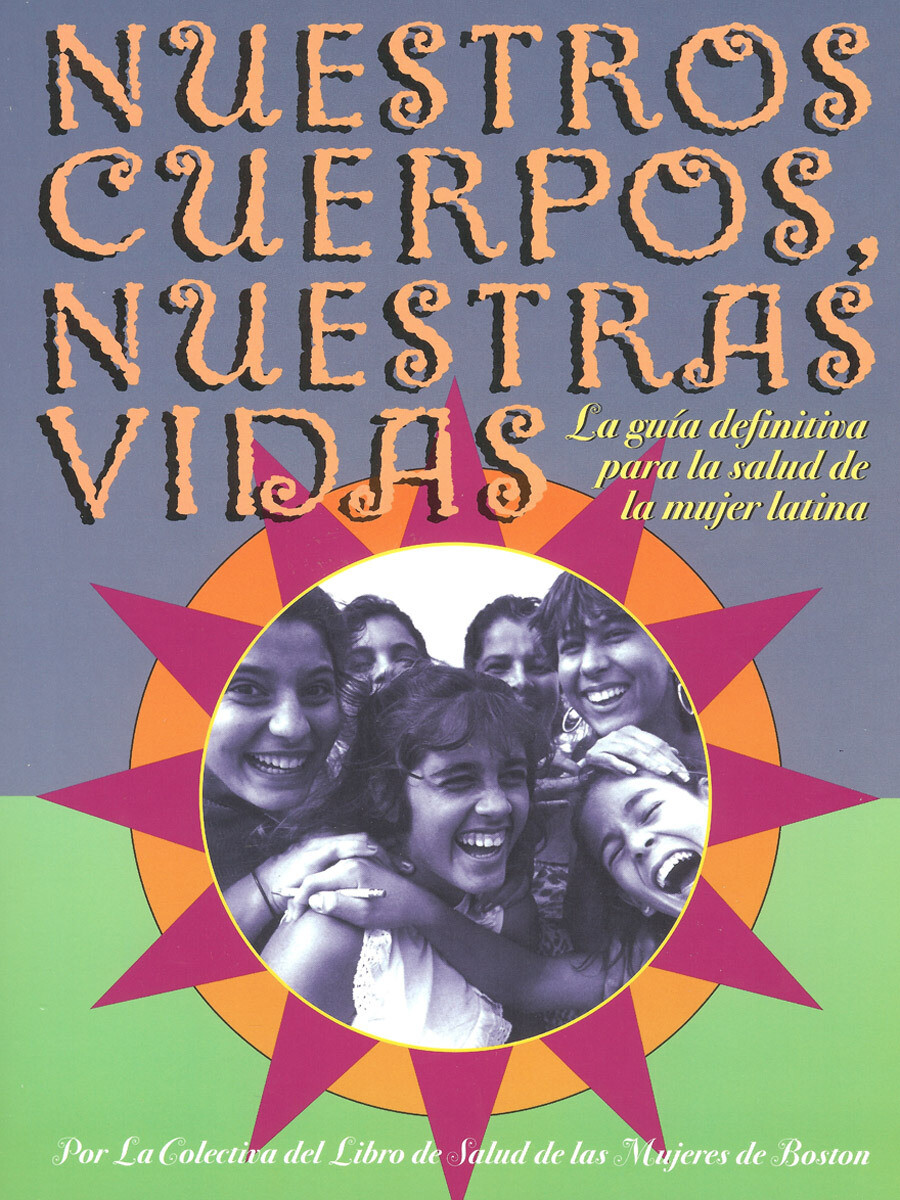
Our Bodies, Ourselves (OBOS) continues to reach regions of the world where women have little access to quality health information and where culturally appropriate information is even scarcer. In recent years we have been able to shift OBOS publication rights from commercial publishers to women’s organizations, allowing these groups editorial control of the book and encouraging them to alter it to meet their own needs. In this way, global editions have evolved over the years from direct translations to cultural adaptations and on to other books inspired by OBOS, reflecting the realities of women’s lives in disparate regions– from Eastern Europe to Latin America to Africa.
In February 2004, the organization Groupe de Recherche sur Les Femmes et Les Lois from Senegal celebrated the publication of their OBOS-inspired book in French, addressing the health and sexuality concerns of women in sub-Saharan Africa. We raised funds early in this project to allow for distribution of 400 complimentary copies of Notre Corps, Notre Santé to women’s and health organizations throughout francophone Africa.
A cultural adaptation for Poland is just hitting the bookstores and is already excerpted on the website of the coordinating group, the Network of East-West Women – Polska. Women in India and South Korea are finalizing edits on new editions due out in early 2005. The Tibetan Nun’s Project in Dharamsala, India produced a shortened Tibetan version inspired by OBOS, which they will distribute throughout the Himalayan region. In Seoul, South Korea, women at the Korea Sexual Violence Relief Center, Alternative Culture Publishing and local universities have collaborated to produce an adaptation, replacing OBOS photos and personal narratives with those of Korean women.
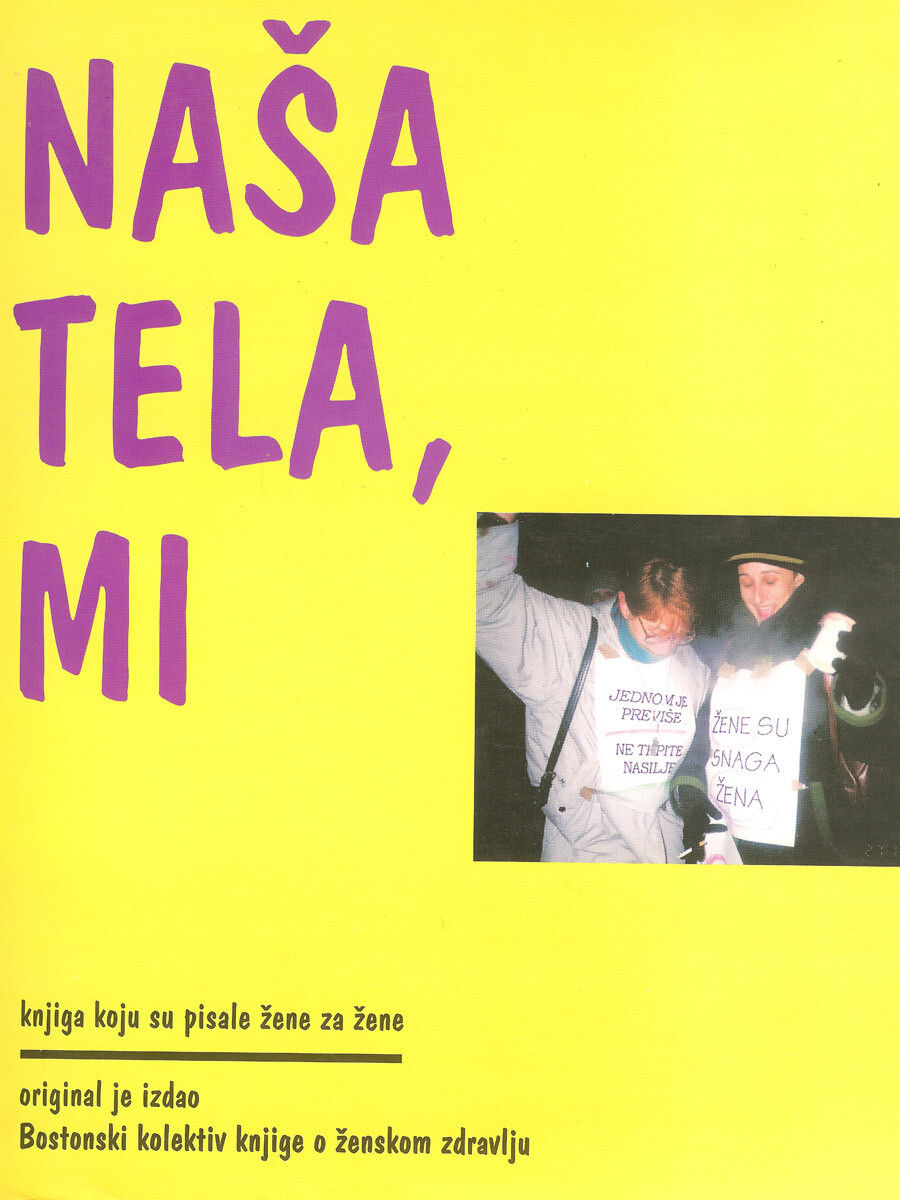
In order to increase access to these global editions for immigrant women in the United States, we distributed the recently published Armenian, Bulgarian, Japanese and Serbian books to organizations across the U.S. serving these immigrant communities. Program staff receiving the books at cultural and community centers, refugee resettlement organizations, state agencies and ecumenical service centers have indicated that OBOS adaptations will be used in their medical advocacy programs, domestic violence workshops, preventive health education, adjustment/trauma counseling and youth and elderly services.
Our Global Translation/Adaptation Program plays an important role in the success of these projects, offering lessons from years of experience, publishing expertise, and a broad network of contacts. In-country groups face considerable obstacles that are inevitable in projects with minimal budgets and in countries where women are breaking new ground with controversial material. Tools such as our Guidelines for Translations and Adaptations of OBOS and a CDROM of OBOS graphics provide the lessons and resources from experience, while electronic excerpts from our website and other information sources provide updated content, and a listserv enables the sharing of experiences and strategies among coordinating groups.
With our 35 years of networking among colleagues in women’s organizations, international agencies, technical advisory groups, health literacy programs, policy and research institutes, and the media, we often link a coordinating group with useful contacts who provide many types of in-kind support. There are many examples: a colleague may connect the coordinators to a group in their own country, previously unknown to them, which becomes a collabocontinued on page 6 rating partner; a researcher at an international health institute provides important results for inclusion in their book; a former public health student returning from the U.S. to her home country assists with adapting the text; a journalist in the region covers the book in her newspaper column; and an individual donor with interest in a particular country provides seed funds. Such networking will be essential in the start-up of a number of our new projects in 2005– in Kenya, Nepal, Nigeria, the Palestinian section of East Jerusalem, Turkey and Vietnam.
It is critical this year that we secure funding both for our own Global Translation/Adaptation Program and for individual adaptations overseas. We need these funds to provide ongoing support and technical assistance, and so that many emergent coordinating groups can take advantage of a fully updated manuscript when OBOS ’05 becomes available this spring. We are also undertaking a special fundraising drive to ensure that immigrant women in the U.S. will have access to the new French- African, Polish, Korean and Tibetan editions. Please join us in supporting women around the globe who are organizing these innovative and courageous projects and in ensuring that immigrant communities can make use of global OBOS editions as they navigate between cultures.
Written by Sally Whelan. From the OBOS 2004 year-end newsletter.
|