Publications
In 1969, a group of women came together to talk about their bodies and their lives. Frustrated by how little they knew, they set out to learn more. In 1970, they published a 193-page course book on stapled newsprint titled Women and Their Bodies. The book was revolutionary for its frank talk about sexuality and relationships and its critique of the overwhelmingly male medical system.
From 1971 to 2011, “Our Bodies, Ourselves” was revised and updated eight times and two single topic books were published: “Our Bodies, Ourselves: Menopause” and “Our Bodies, Ourselves: Pregnancy and Birth.” (The author of these books is listed as the Boston Women's Health Book Collective, which is the legal name of the nonprofit organization Our Bodies Ourselves.)
Our Bodies Ourselves also produced several Spanish language texts, and global women’s groups around the world adapted “Our Bodies, Ourselves” into many different languages. In addition, some of the founders collaborated on other books related to women’s health, including a book for teenagers and another about aging.
“Our Bodies, Ourselves” has long been referred to as the “women’s health bible” and has sold more than 4 million copies. Currently there are no plans for another print edition.
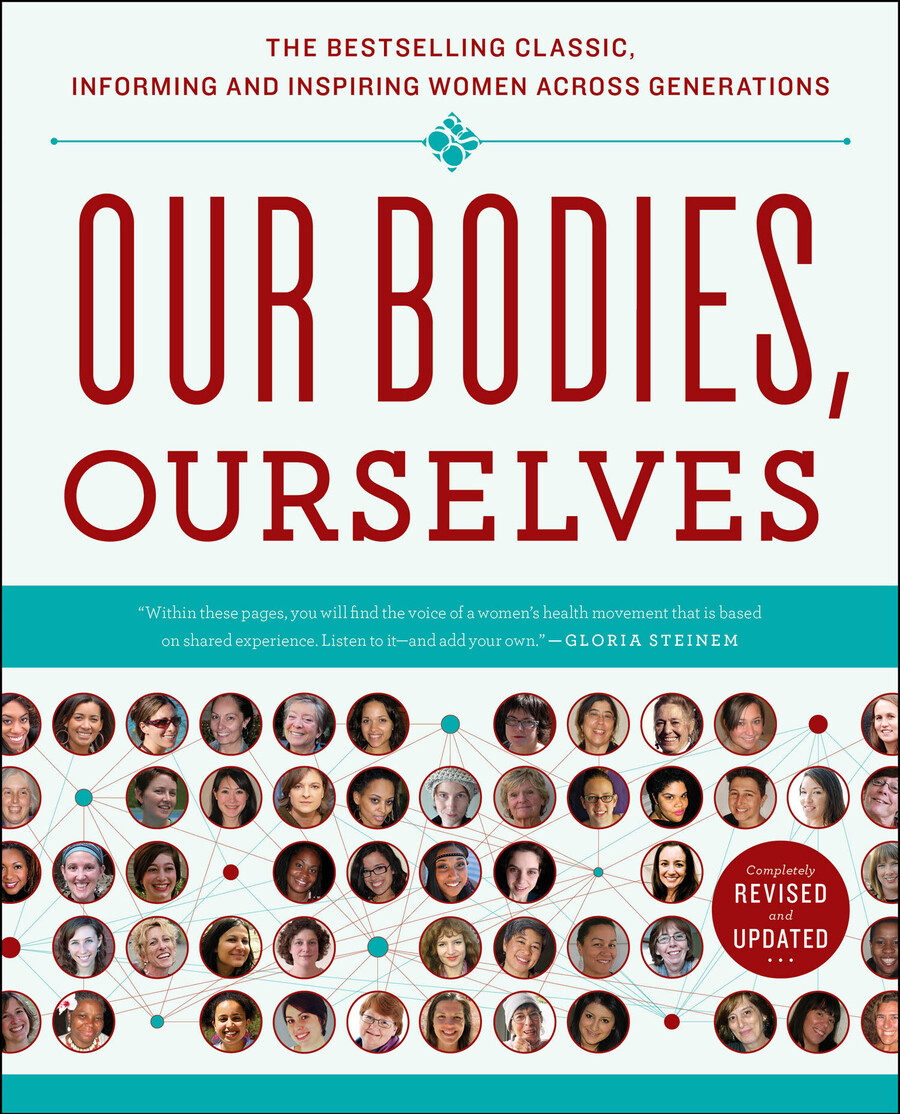
Our Bodies, Ourselves (2011)
The 2011 edition of "Our Bodies, Ourselves" – the most recent print edition – focuses on women’s reproductive health and sexuality. It features updated and new content on gender identity, sexual orientation, birth control, abortion, and sexuality and sexual health across the lifespan.
To find out more:
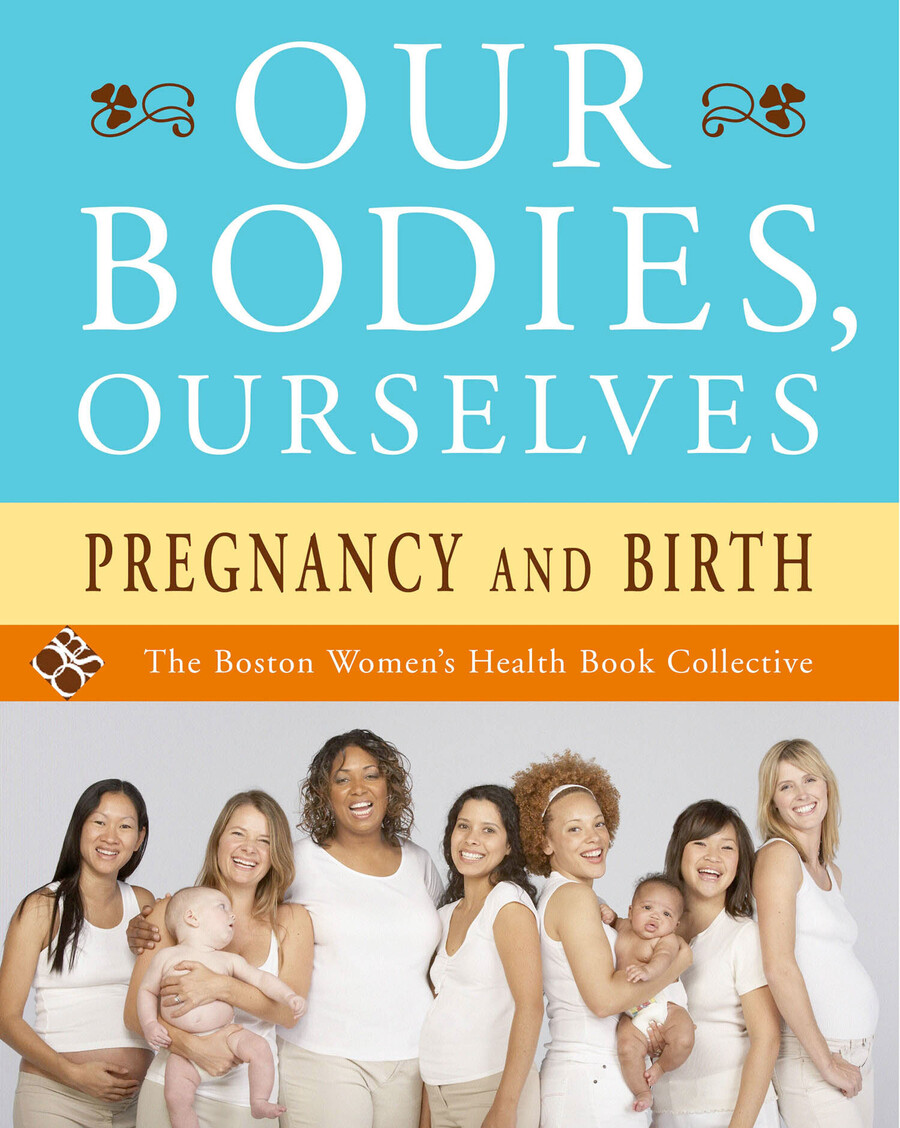
"Our Bodies, Ourselves: Pregnancy and Birth" (2008)
Pregnancy and birth are normal, healthy processes for most women, the vast majority of whom have healthy pregnancies and babies. Yet childbirth is often seen as an unbearably painful, risky process to be managed in a hospital with the use of many tests, drugs, and procedures. This book presents the best available evidence about the advantages and disadvantages of a range of practices, from epidurals to episiotomies, and explores options for improving birth experiences and outcomes.
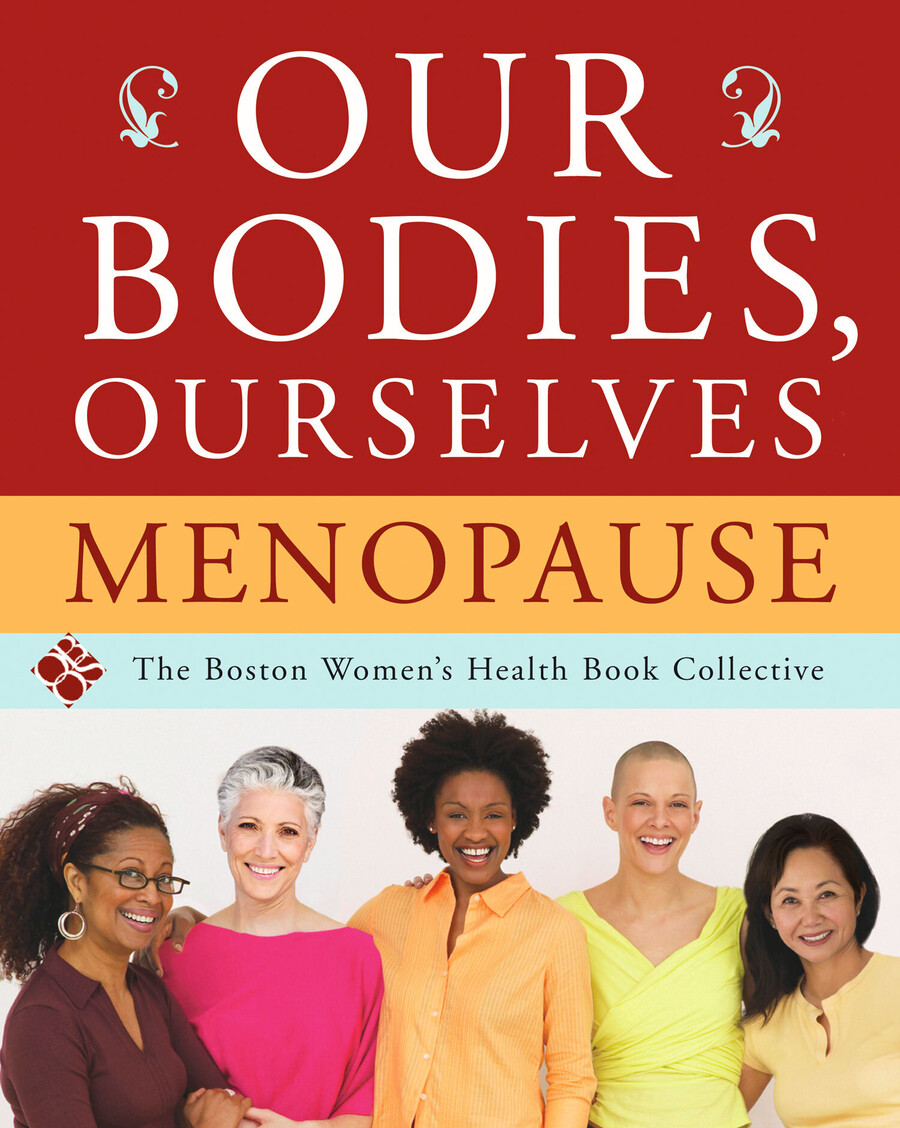
Our Bodies, Ourselves: Menopause (2006)
“Our Bodies, Ourselves: Menopause” (2006) provides an analysis of the social, cultural, and political forces that influence and affect women’s experiences with menopause, dispels menopause myths, and provides crucial information that women can use to take control of their own health and get the best care possible.

Spanish-Language Texts
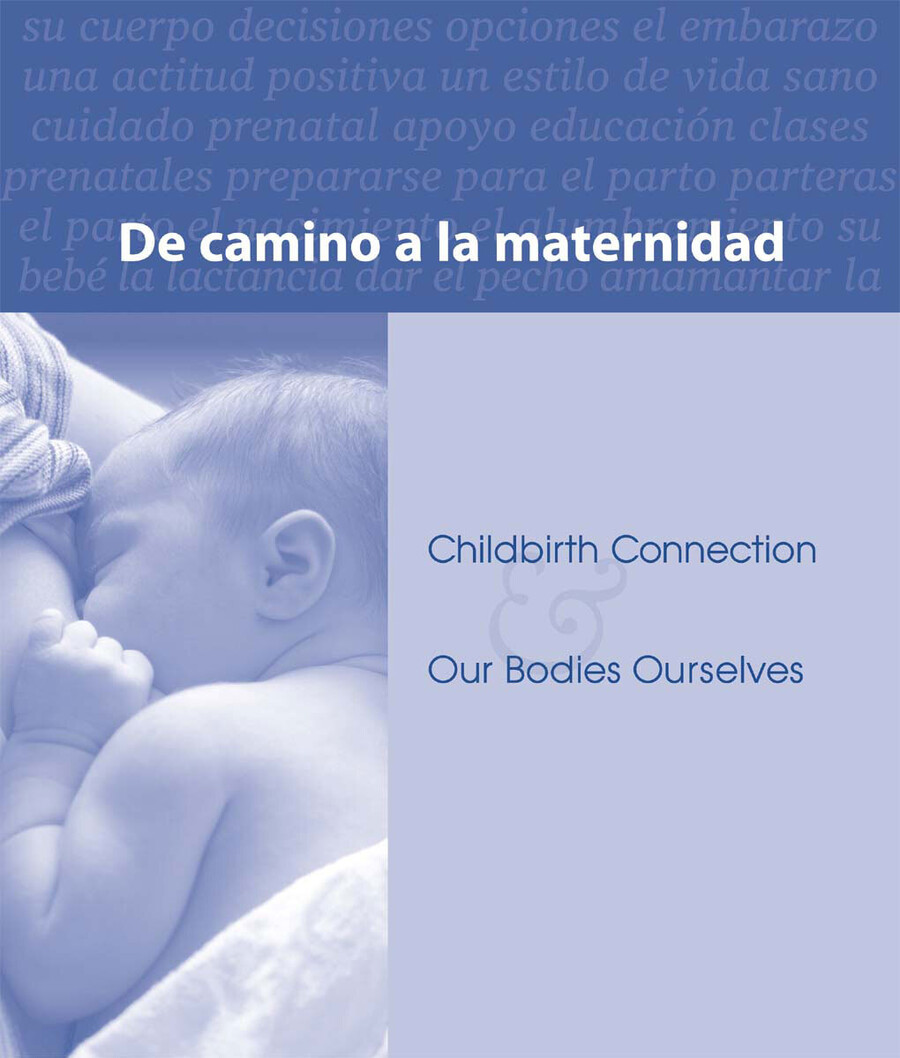
De Camino a la Maternidad (2006)
Esta guía en español cubre temas como la atención prenatal, el desarrollo fetal, la nutrición y el estilo de vida, las pruebas de diagnóstico, la lactancia materna, el trabajo de parto y el nacimiento, la atención posparto y la salud del recién nacido.
This Spanish language guide covers such topics as prenatal care, fetal development, nutrition and lifestyle, diagnostic tests, breastfeeding, labor and birth, postpartum care, and newborn health.
Guía de Capacitación para Promotoras de Salud (2002)
Esta guía de capacitación para promotoras de salud entre pares se basa en “Nuestros Cuerpos, Nuestras Vidas,” la adaptación cultural en español de “Our Bodies, Ourselves.”
This peer health-educator (promotoras de salud) training guide is based on “Nuestros Cuerpos, Nuestras Vidas,” the Spanish language cultural adaptation of “Our Bodies, Ourselves.”
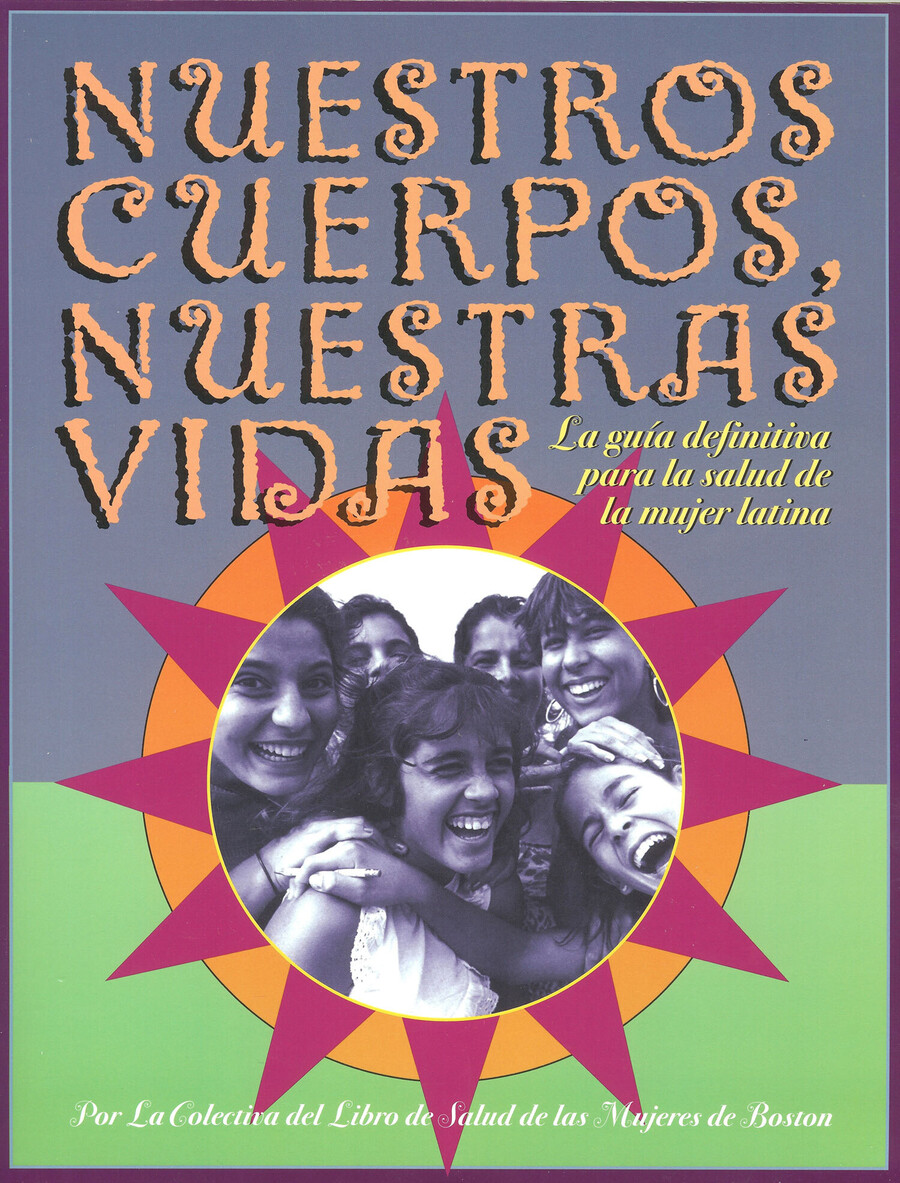
Nuestros Cuerpos, Nuestras Vidas (2000)
La adaptación en español de “Our Bodies, Ourselves” fue creada específicamente por y para mujeres latinas en todo el continente americano.
Other Health Books by The Boston Women’s Health Book Collective and OBOS Founders
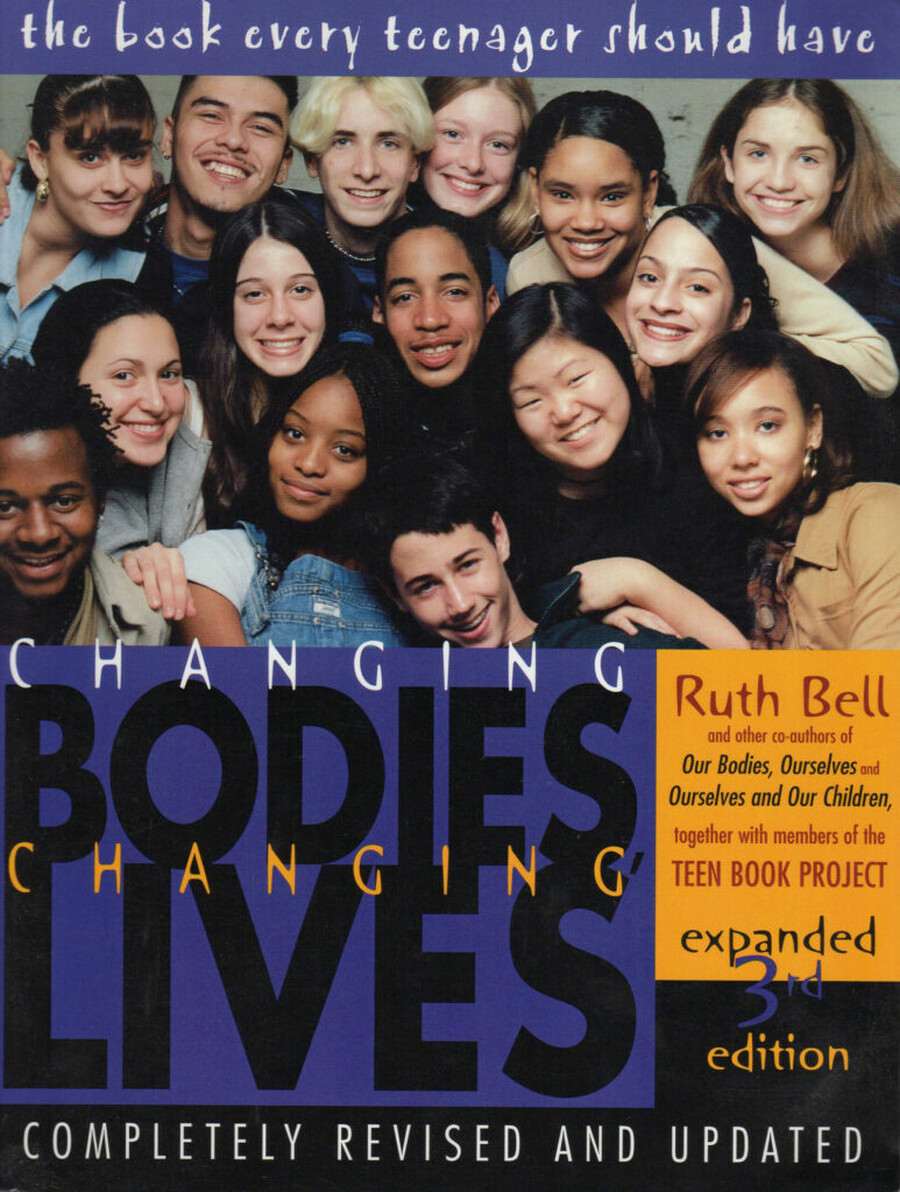
Changing Bodies, Changing Lives (1980, 1988, 1998)
"Changing Bodies, Changing Lives" is an "Our Bodies, Ourselves" for teenagers. The book includes the voices and experiences of teens who are struggling to understand themselves, their peers, their sexuality, and the expectations placed on them. The book is no longer in print.
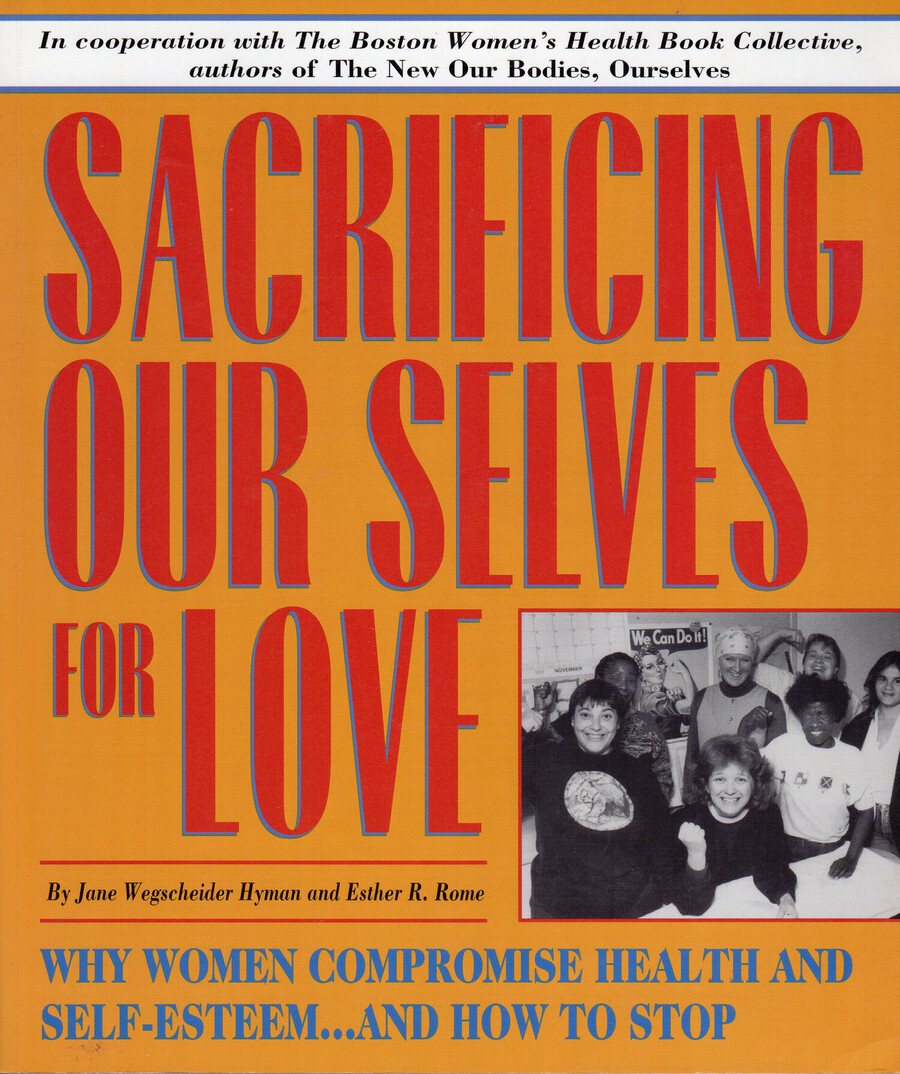
Sacrificing Our Selves for Love (1996)
Many women and girls risk health and well-being in order to please others. In an unflinching look at this pervasive problem, this book explains society’s role in promoting such sacrifice and provides exercises to counter societal pressure. The book is no longer in print.
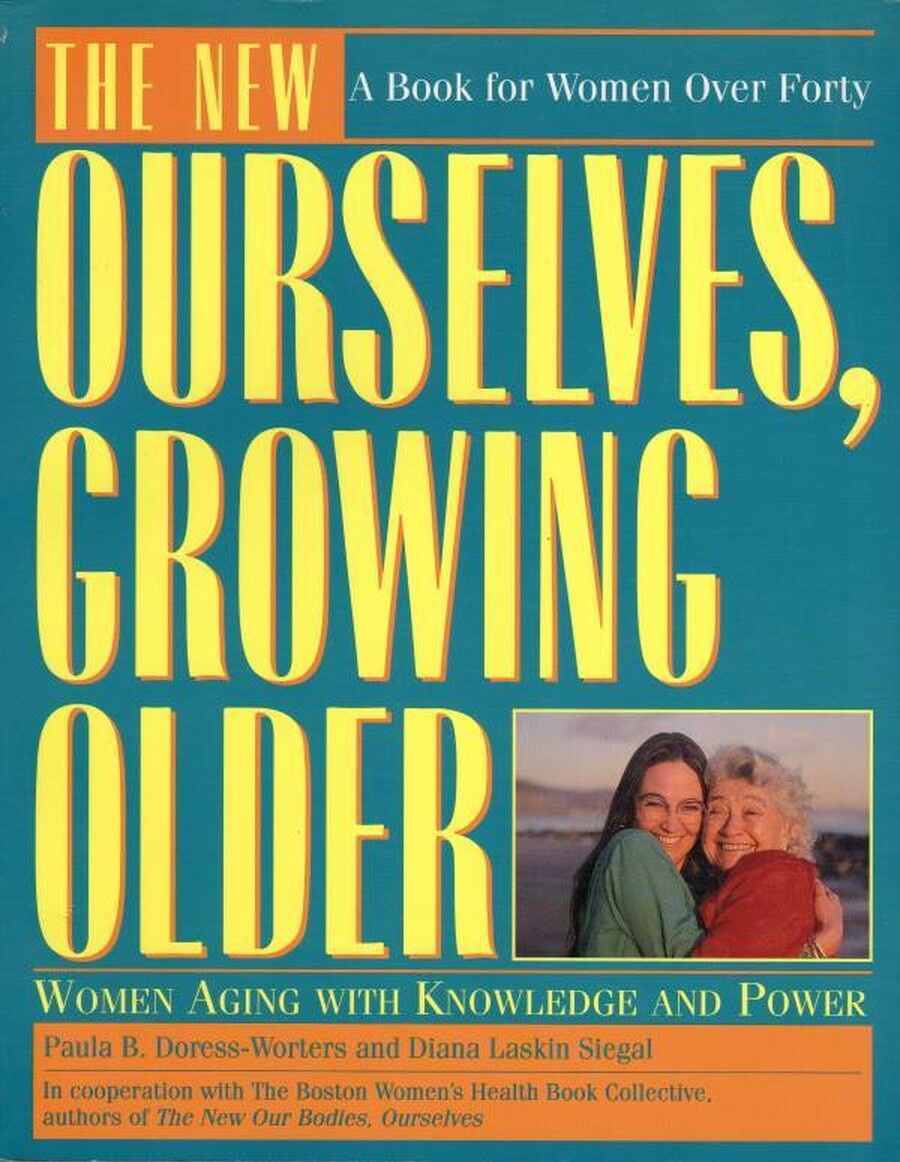
Ourselves, Growing Older (1994)
This book explores physical and emotional health and social wellbeing of midlife and older women. It also examines the roots and impact of ageism and sexism. The book is no longer in print.
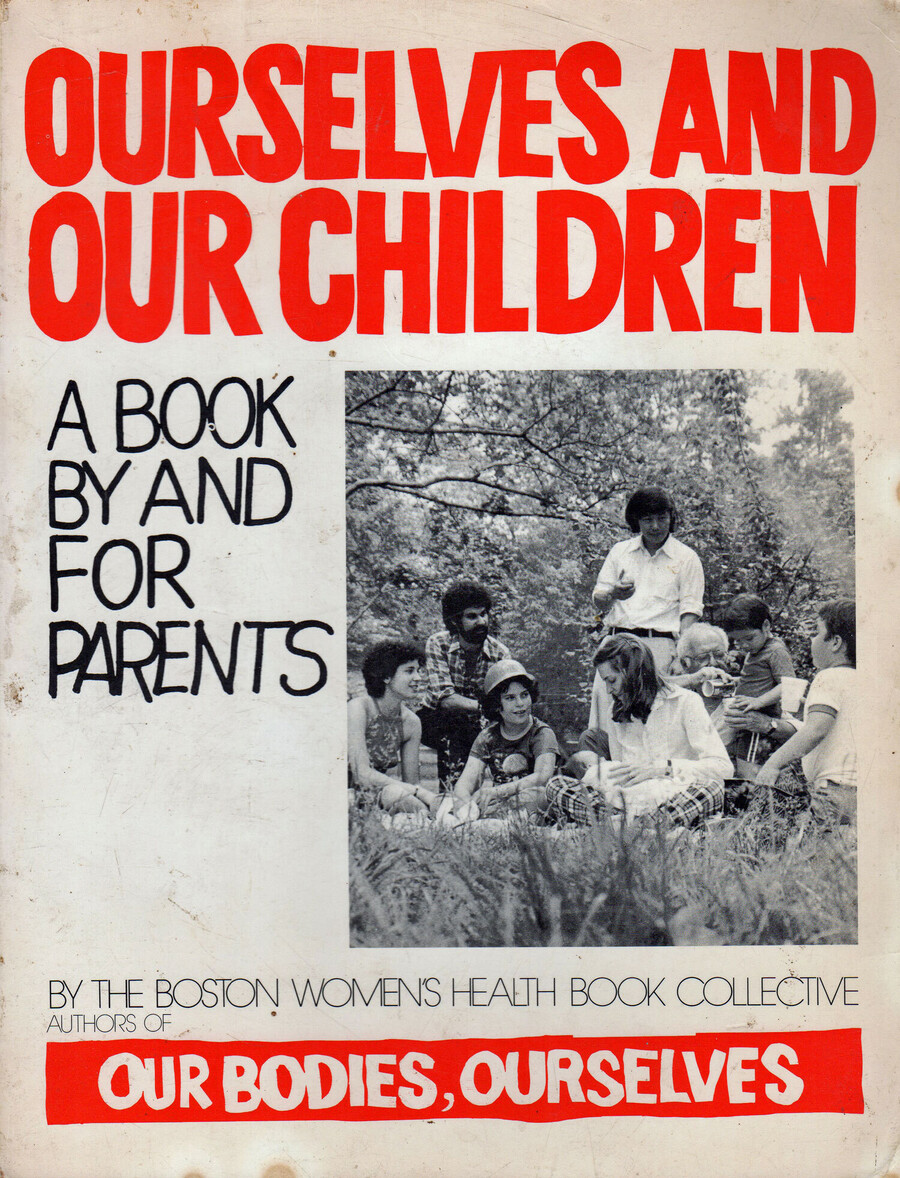
Ourselves and Our Children (1978)
How does being a parent interweave with the rest of your life — with your own childhood, your work, your relationships, yours social and political concerns, your sense of yourself? How does society shape your experience for better or worse? This book focuses on the lives and the needs of parents.